


Transit-oriented development has taken over Canada. What used to be largely limited to Vancouver and Toronto has gone nationwide, while in Toronto and Vancouver it has become ubiquitous. Housing has become more expensive, but much of the housing we do have has convenient transport access, walkable amenities, and smaller footprints. All of this is a good news story, and better developments and integration with transit could make it even better.
Canada has a reputation for being suburban, but the homes of the future are increasingly being built in high-rises near electric rail transit lines. Reams of new housing near transit show that North American cities can do transit-oriented development broadly, and looking at specific forms and shortcomings can lead to globally relevant lessons.
We often talk quite negatively about housing in Canada — there isn’t enough of it, building it is filled with horse-trading, shocking regulation, and a display of human self-centredness that would make a billionaire blush. And yet, if what you really care about is transit-oriented development (TOD), the housing we’ve actually built in the last fifteen years looks pretty good.
The TOD
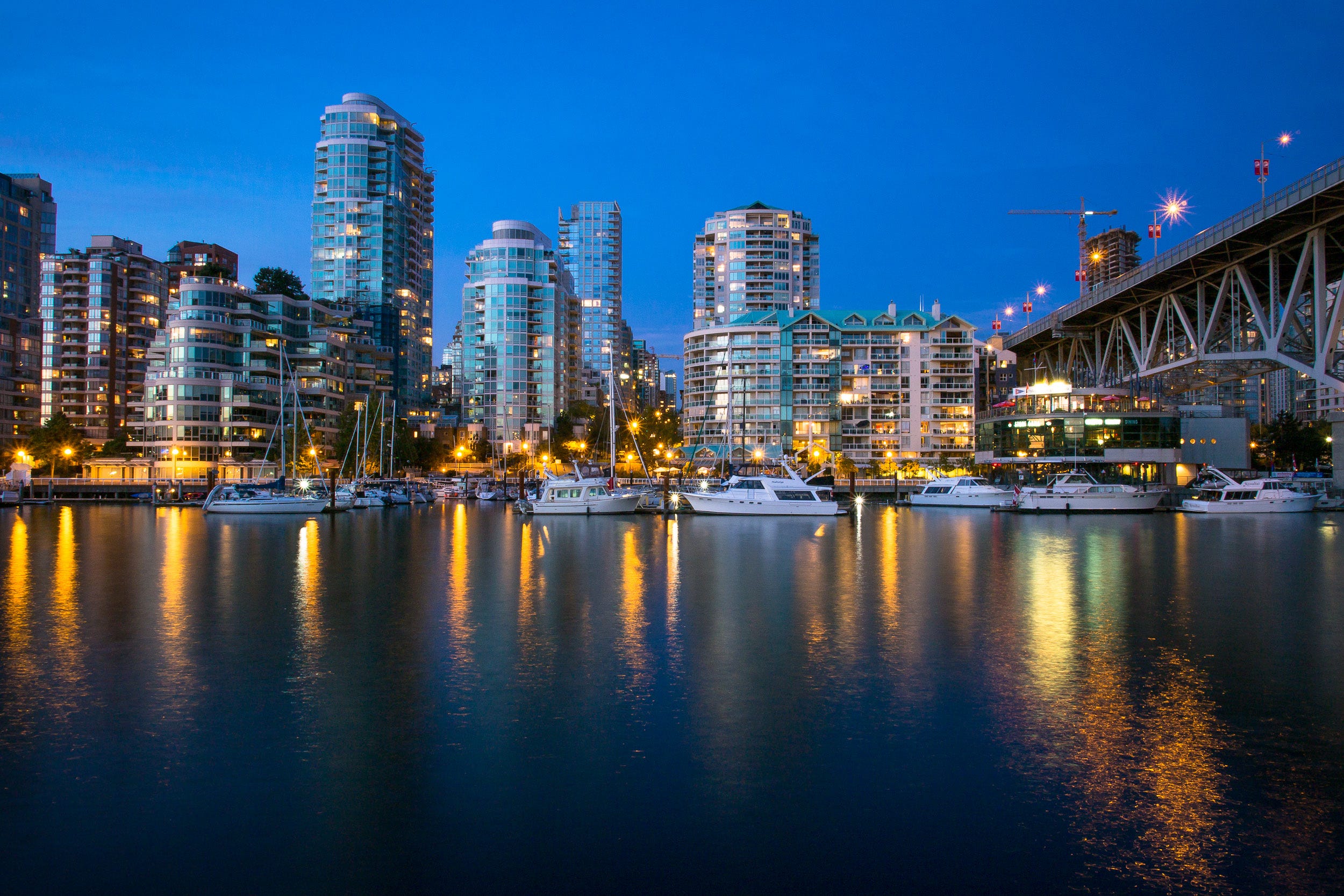
When the topic of TOD comes up, for many the image that arises is Vancouver’s False Creek and Toronto’s CityPlace — both developed by Concord. However, these developments are really downtown-oriented developments built on post-industrial land. They are walkable, and there is transit, but both are also just natural extensions of existing dense urbanity, and somewhat ironically lack great connections to their respective cities’ higher-order transit networks.
The image that appears in our minds is a different one. For development to really fit the transit-oriented spirit, it ought to exist largely because of the transit; if that were not the case, it would be hard to argue that it was oriented towards transit after all. The natural examples here are North York Centre in Toronto, Metrotown in Metro Vancouver, and Place Charles-Le Moyne near the end of the Yellow Line in the Montreal suburb of Longueuil. These are huge clusters of density that exist only because rapid transit was brought to the sites.
Gone National
Now, these sites used to be novel. While they all remain significant and continue to grow, they no longer stand alone. Over the years, and over the last decade in particular, transit-oriented development has become the norm in every big Canadian city. And given that the seven regions in Canada with over 50% of the country’s population now have electric rail transit systems, TOD has become a normal part of most Canadians’ experiences of their cities.
Montreal
One might argue that Montreal is a TOD laggard, because while its suburban metro appendages have seen some significant density, high density remains fairly restricted on the island outside of downtown.
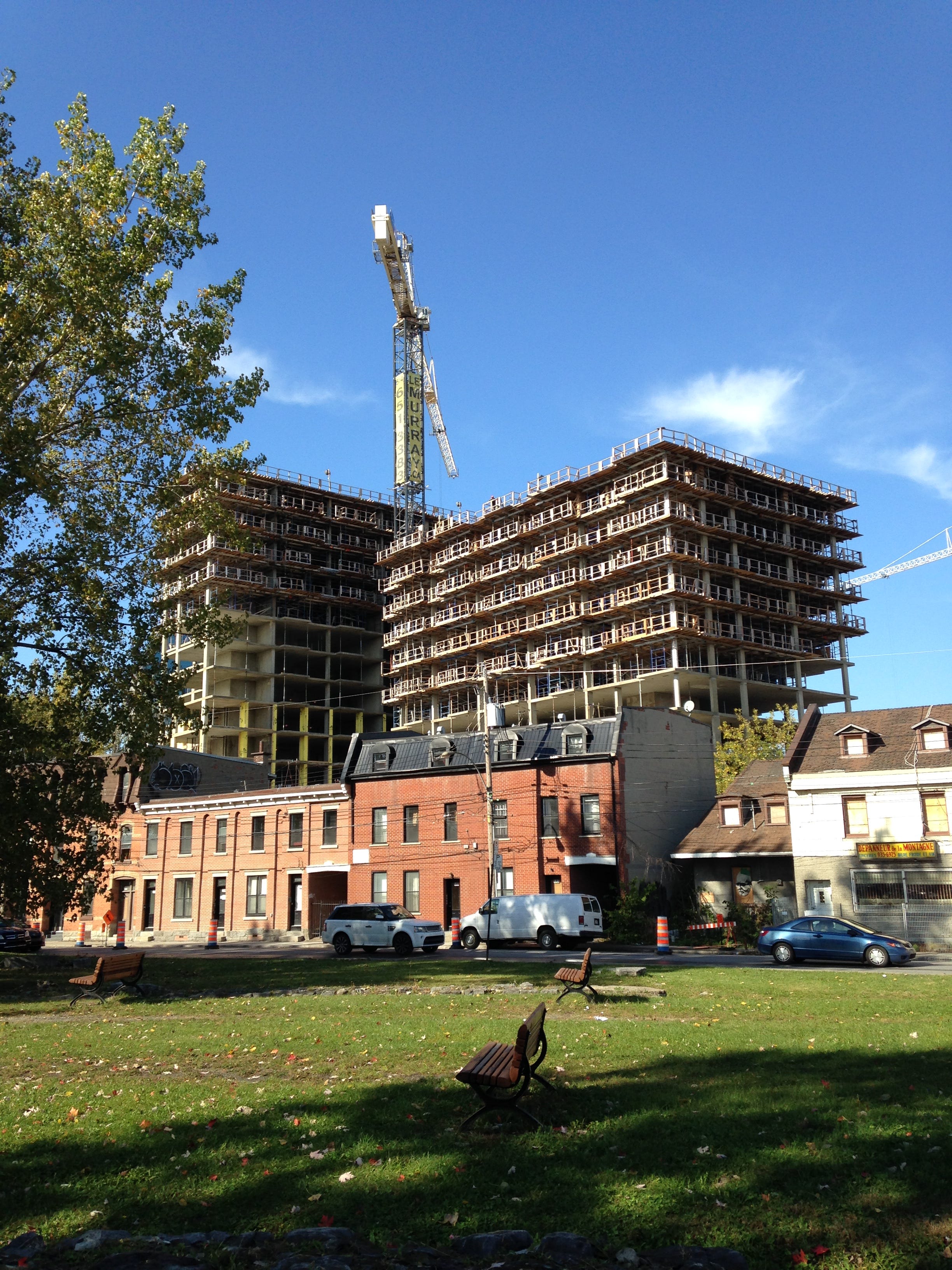
However, densification — even if at lower than ideal densities — is happening, and the massive downtown-adjacent Griffintown (and the yet-to-be-developed neighbourhood around the Peel Basin) is being retconned into transit orientation with the addition of two new REM stations.
There are also major redevelopments planned at the ends of the Green and Blue lines, taking sites that are currently in suboptimal use and turning them into new, dense transit-oriented neighbourhoods.
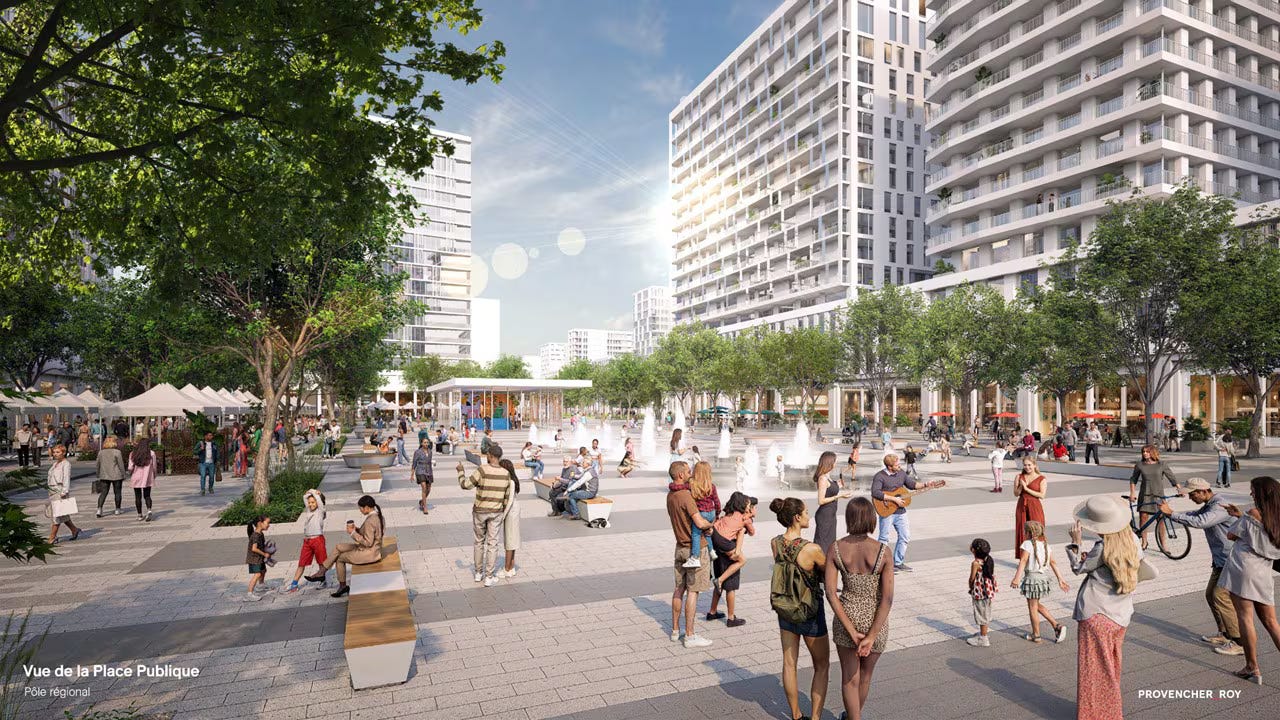
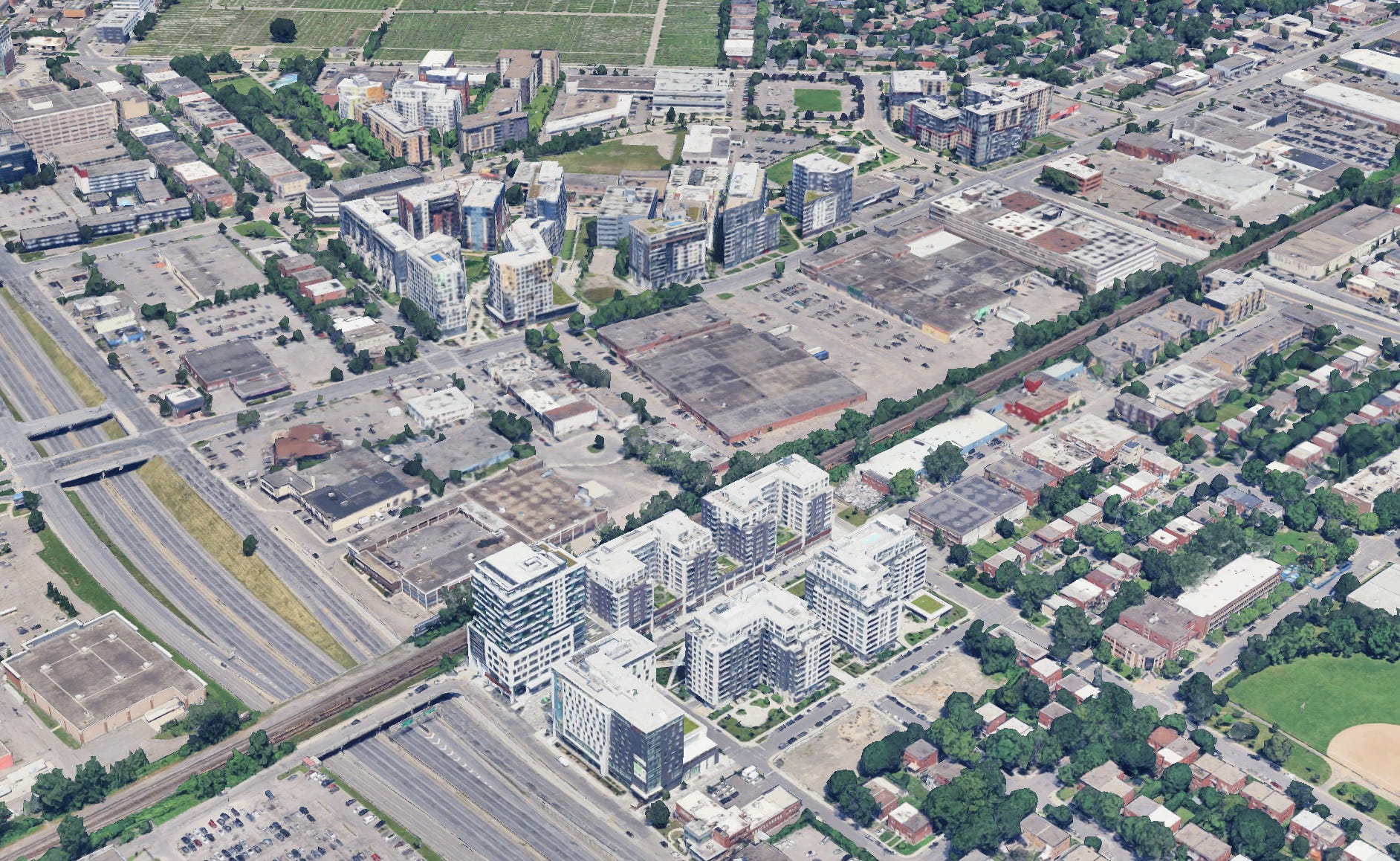
This neighbourhood takes a very similar form to Solar Uniquartier, a massive new TOD at the terminus of the REM system in Brossard.
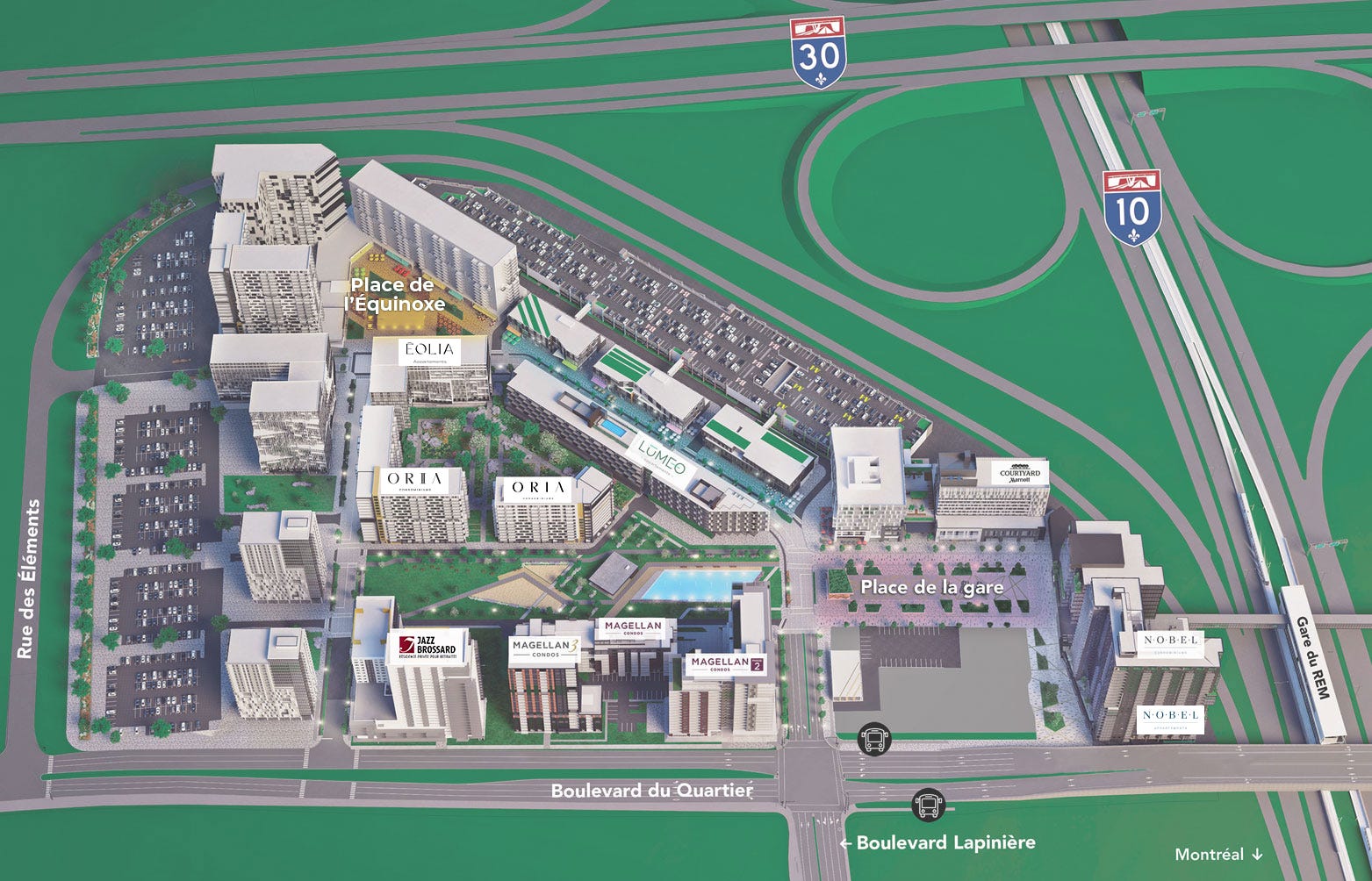
It seems for Montreal, the biggest missing pieces are both trying to reduce the negative externalities of the major roads and highways that run near many of the big TOD sites in the city, and trying to build more, denser, taller TOD in existing neighbourhoods — not just on land lying in stasis that has remained undeveloped because of a historic lack of desperation.
Ottawa
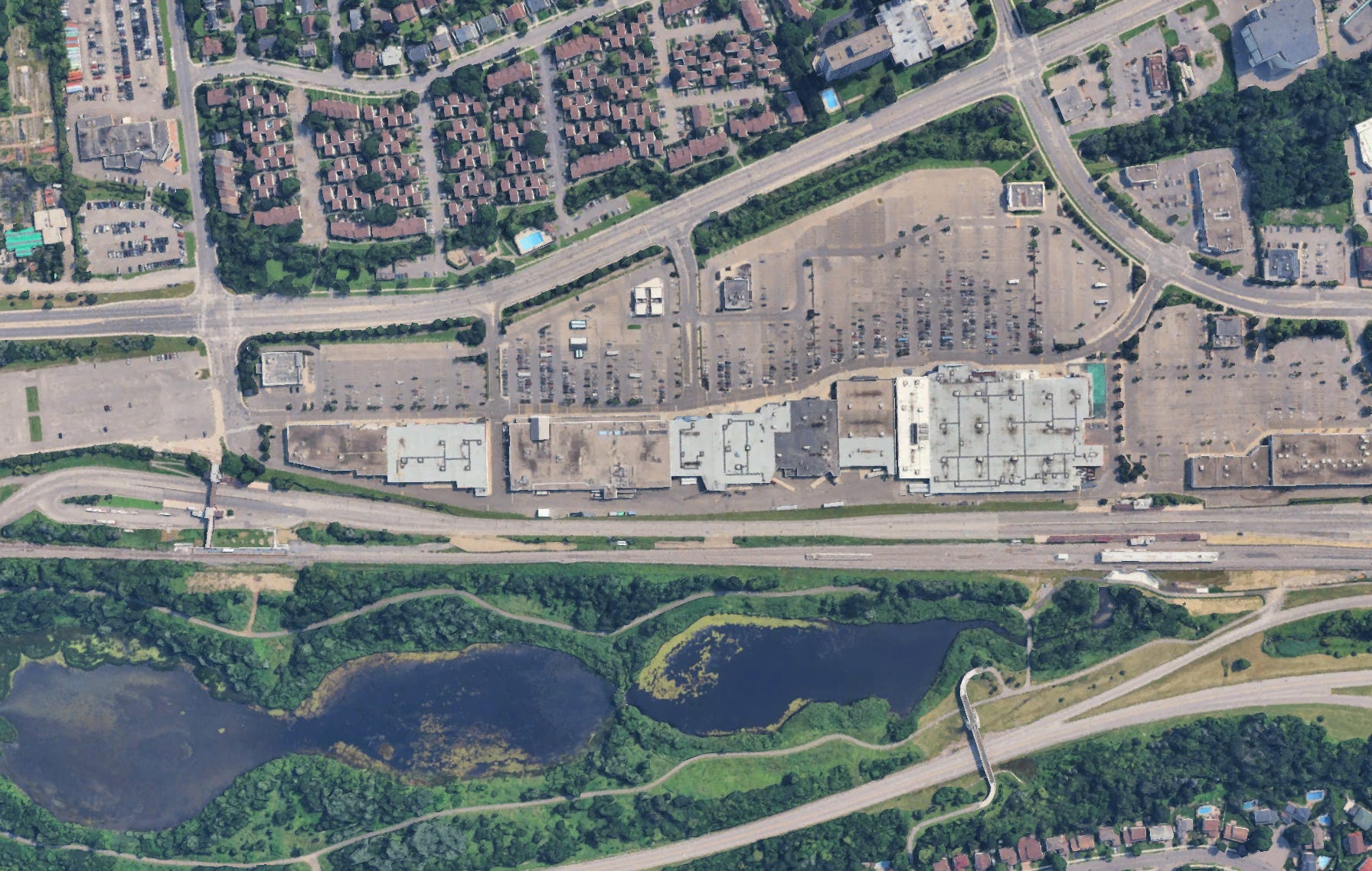
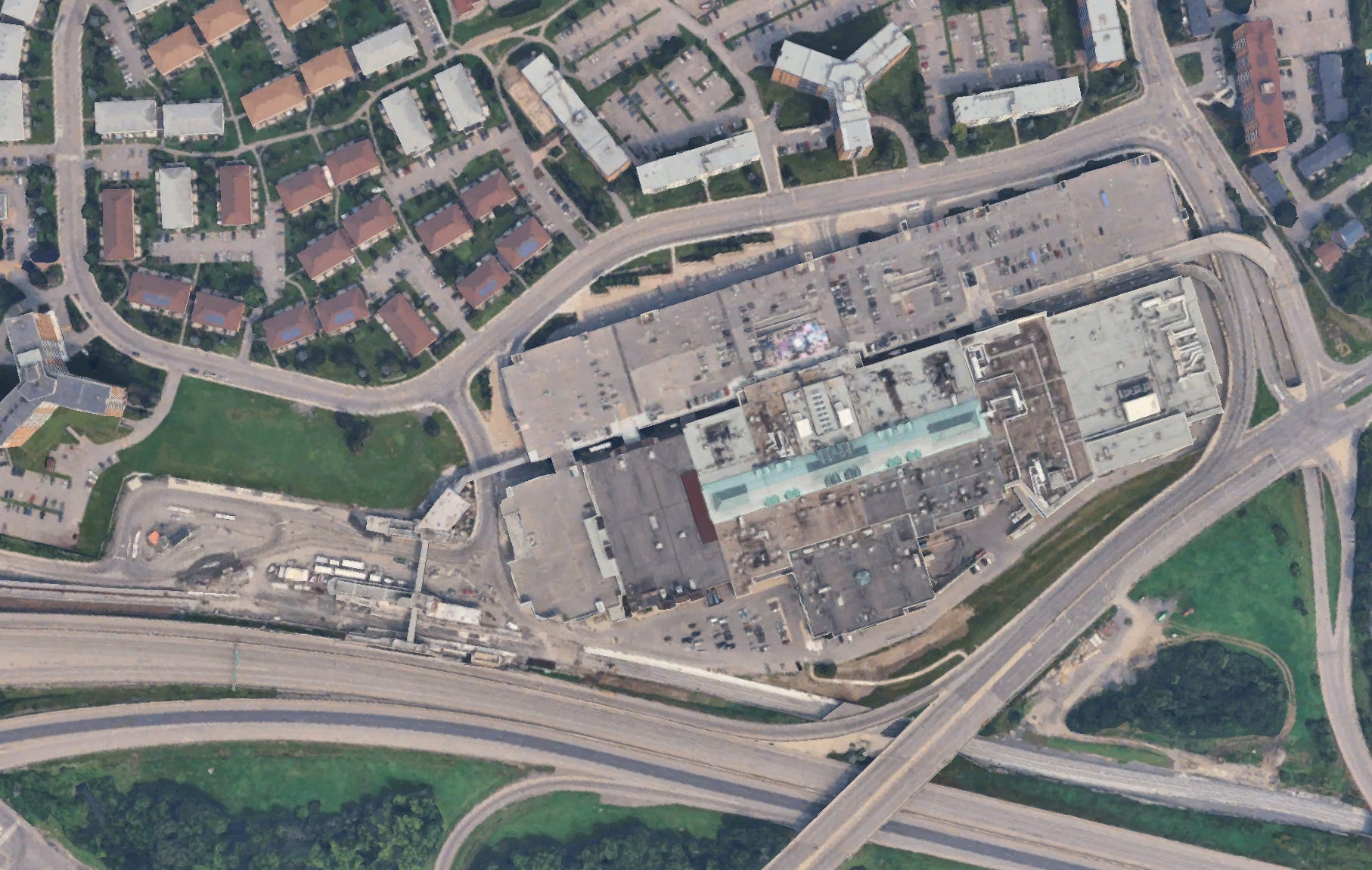
Ottawa’s transit orientation is interesting because it is happening quite broadly. New towers are going up not far from downtown at Bayview where Line 1 meets Line 2, but also near a mix of suburban and urban stations, from mall sites to urban thoroughfares now being enhanced with rail transit.
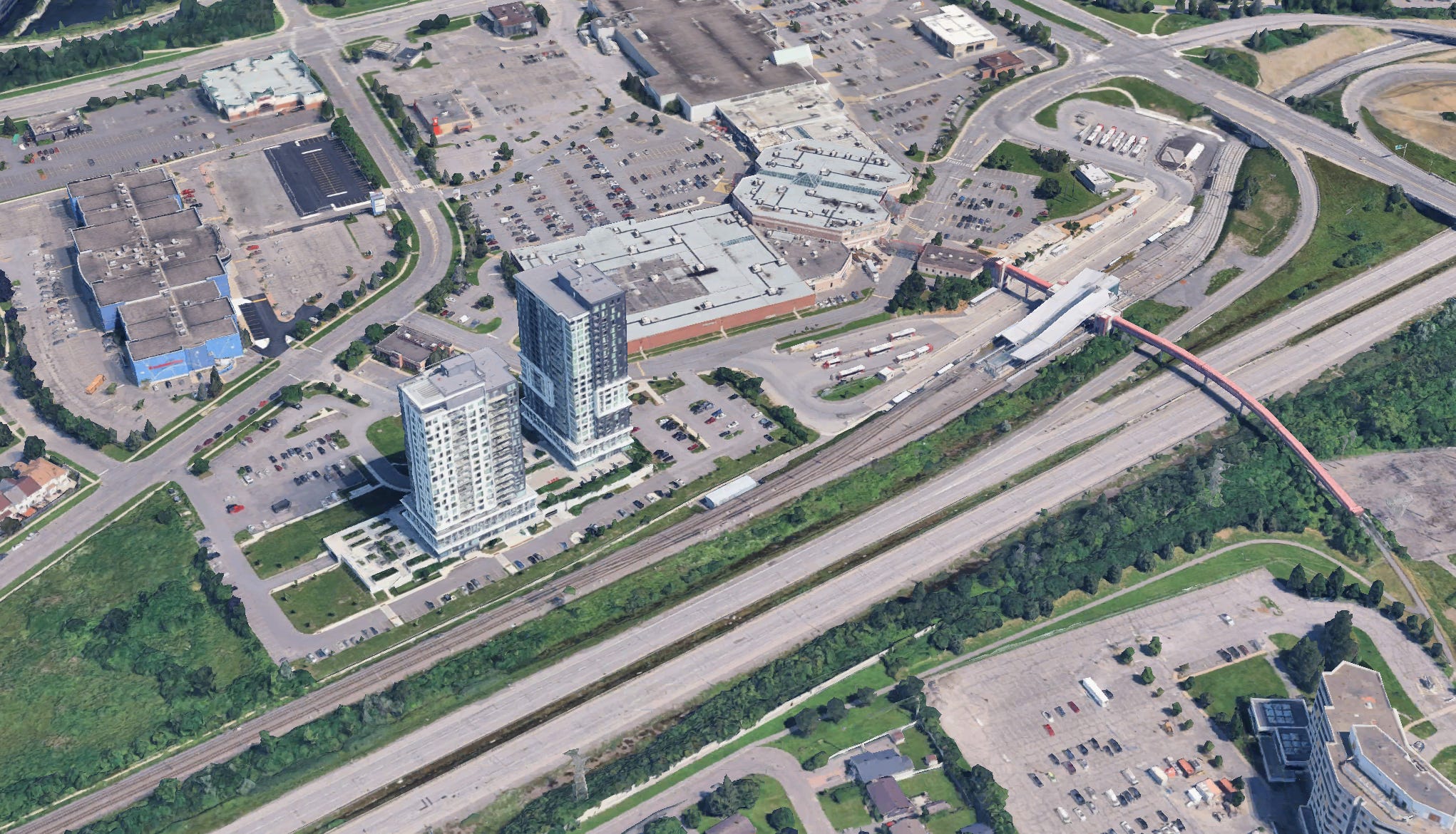
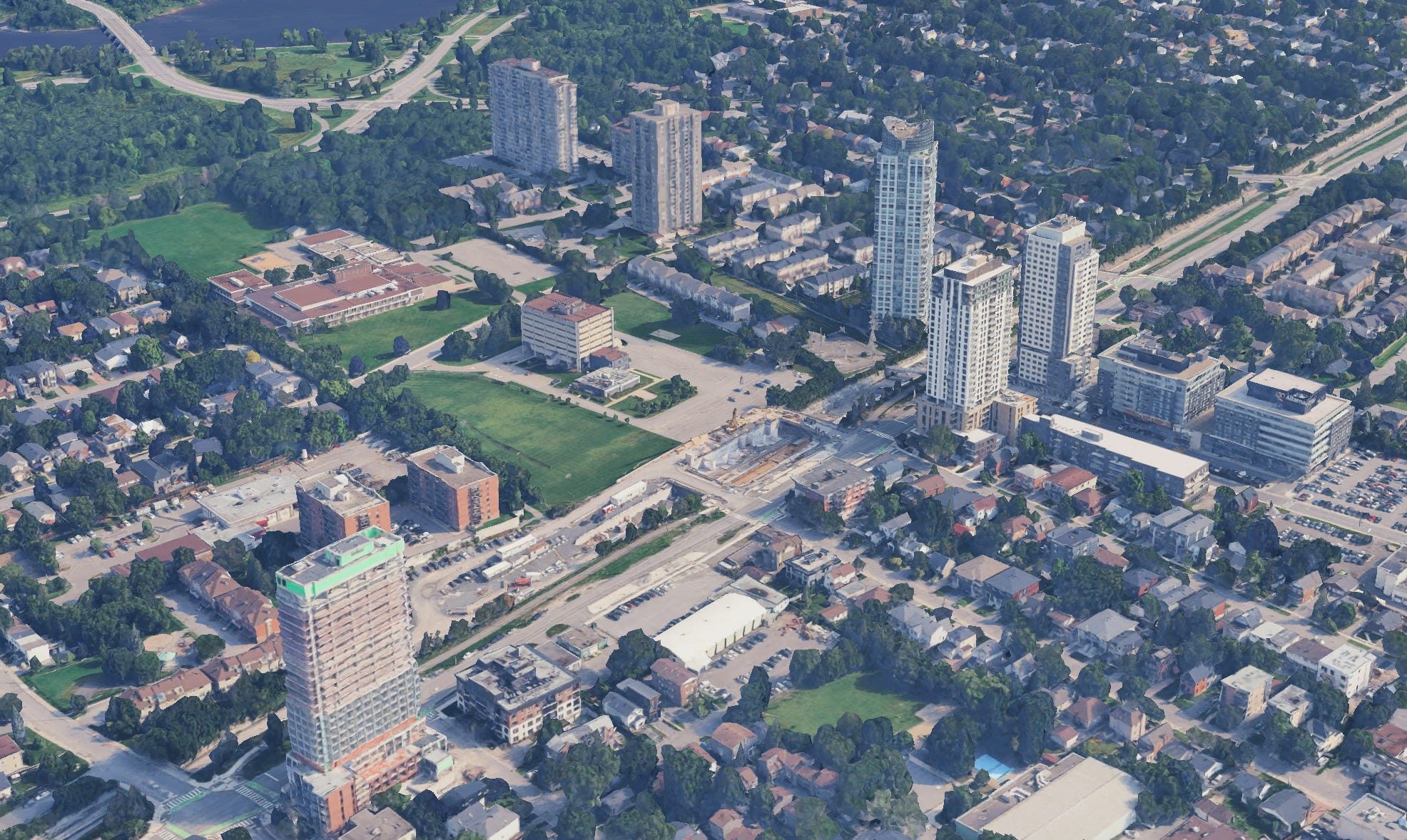
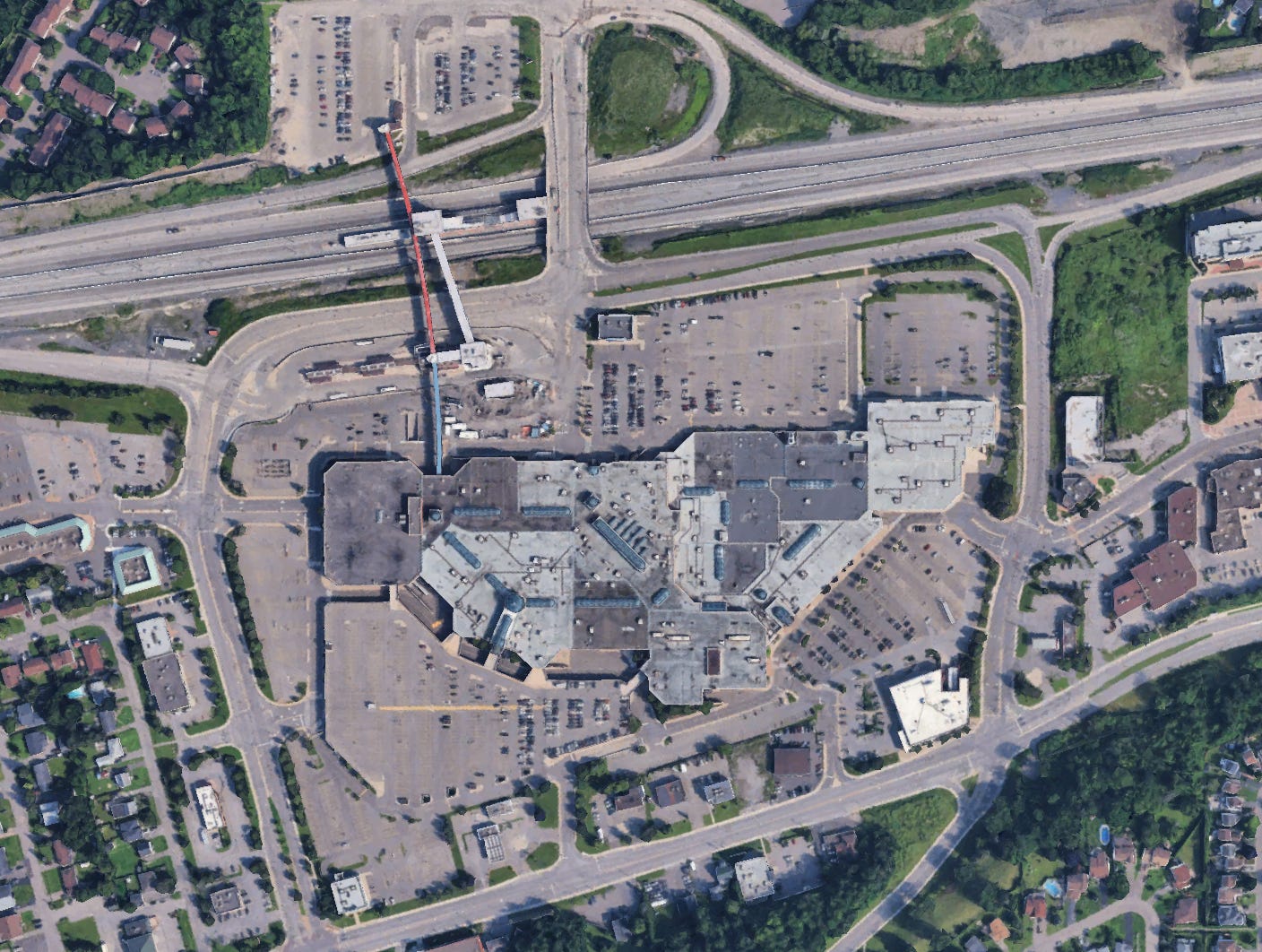
It seems for Ottawa that a huge portion of housing demand could be met with more TOD around the rail lines, especially because so many large mall sites now getting rail access could be augmented with residential towers that replace parking lots and form a symbiotic relationship with existing mall spaces.
Don’t miss a single post. Become a subscriber today for the latest on public transport in Canada and beyond.
Vancouver
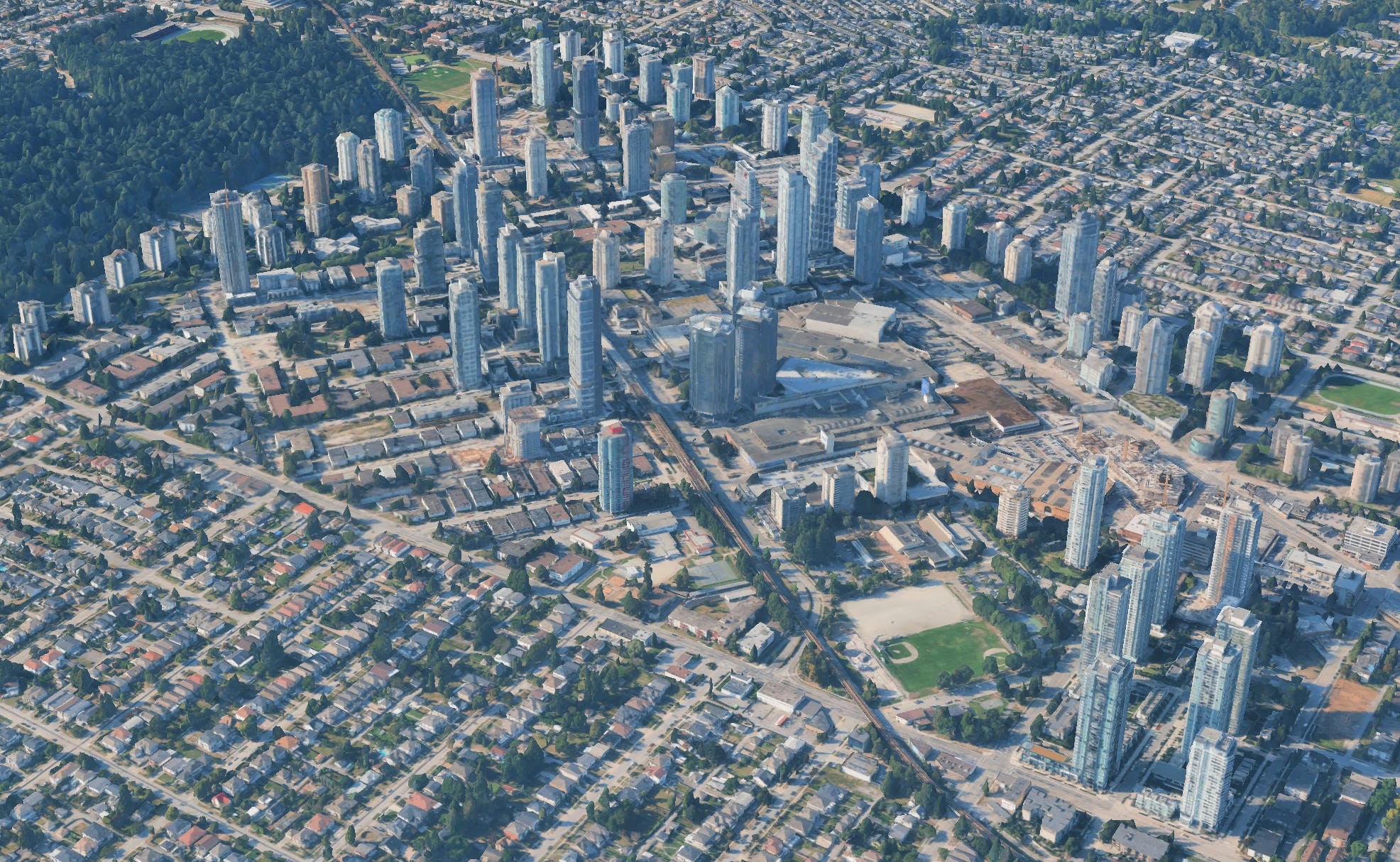
Vancouver, the historic champion of transit-oriented development, shows no signs of stopping. Virtually every major mall in the region — a majority connected to the SkyTrain network — is being transformed into a major high-density node. Metrotown has given birth to at least five other Metrotowns.
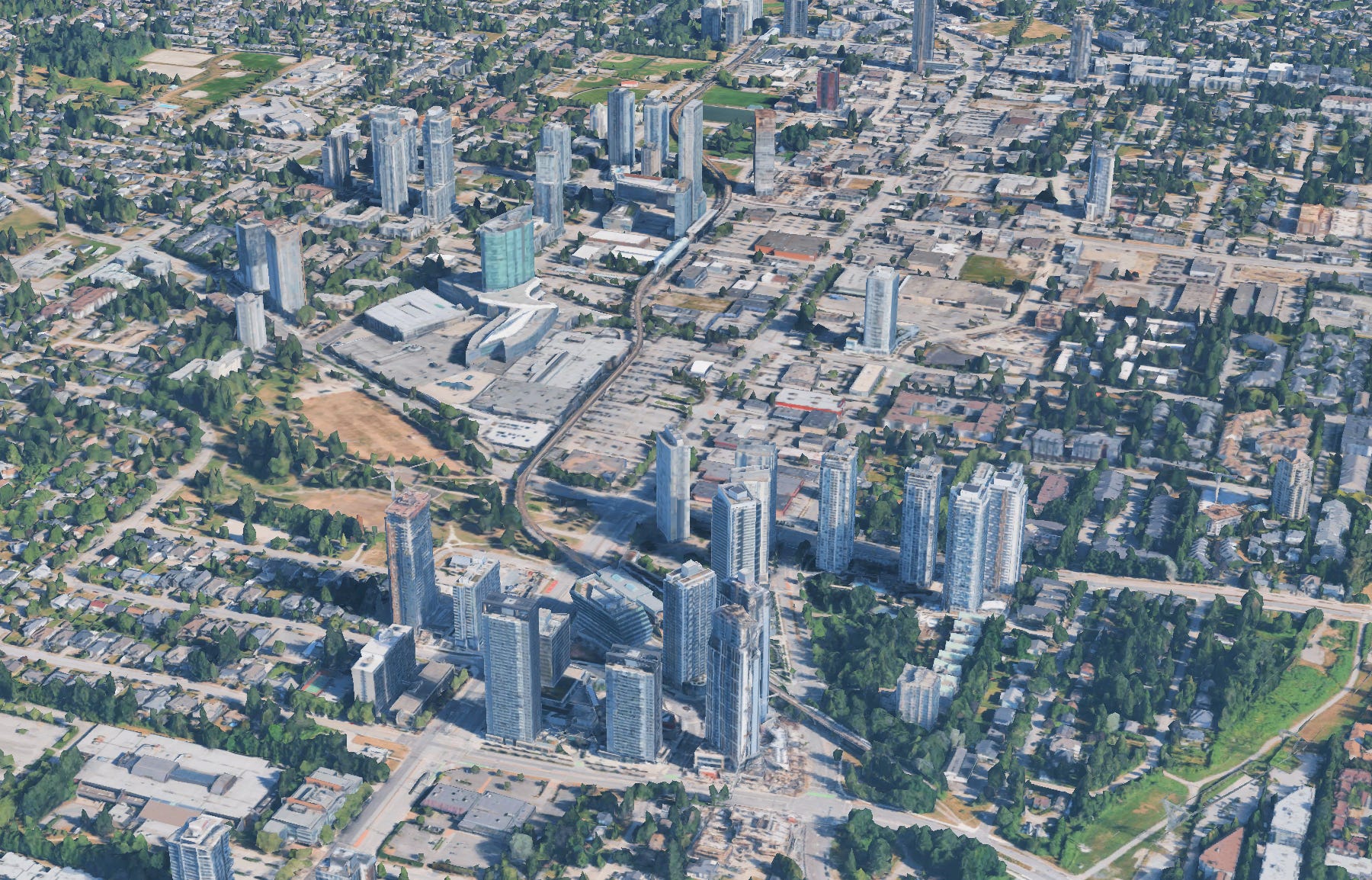
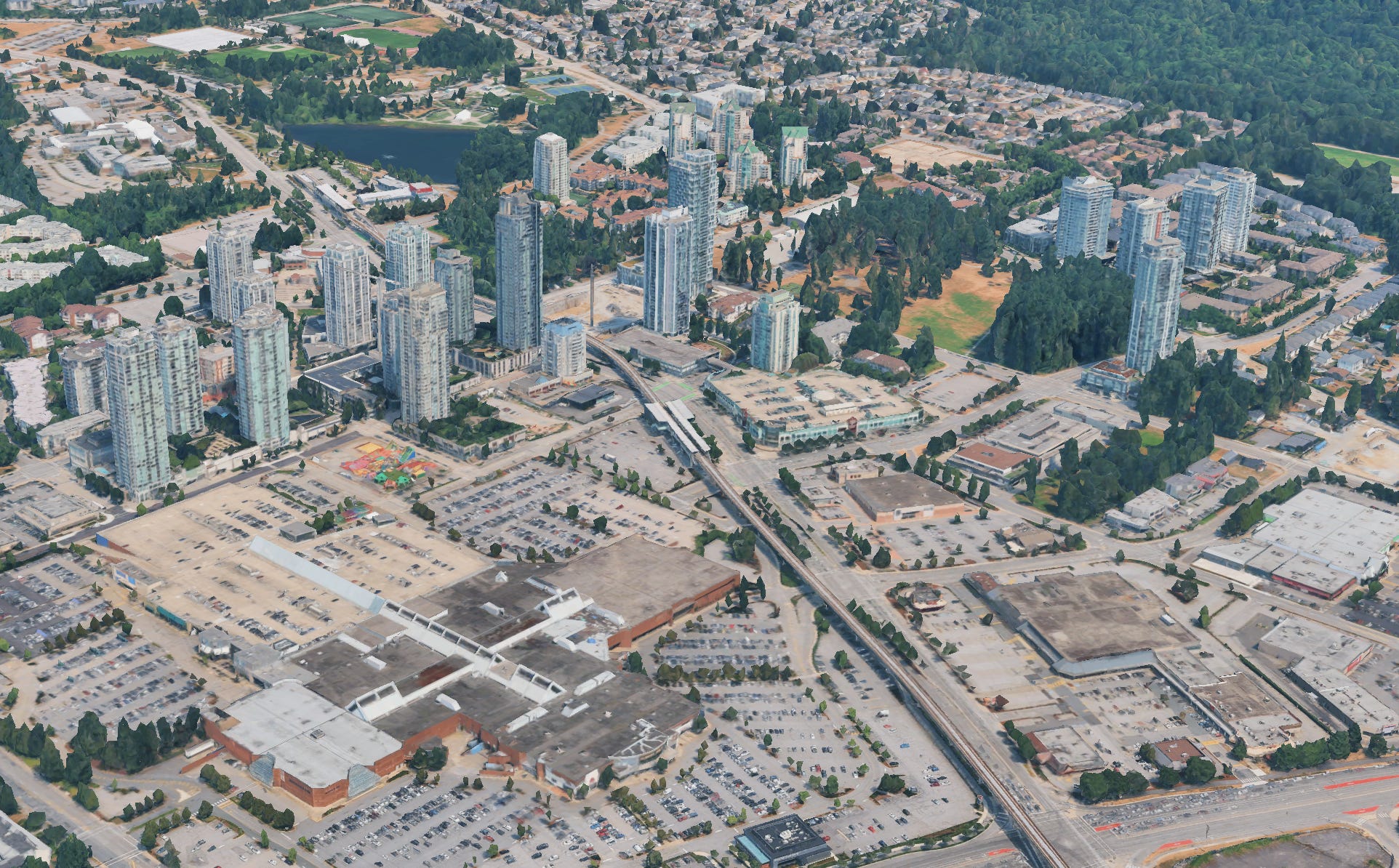
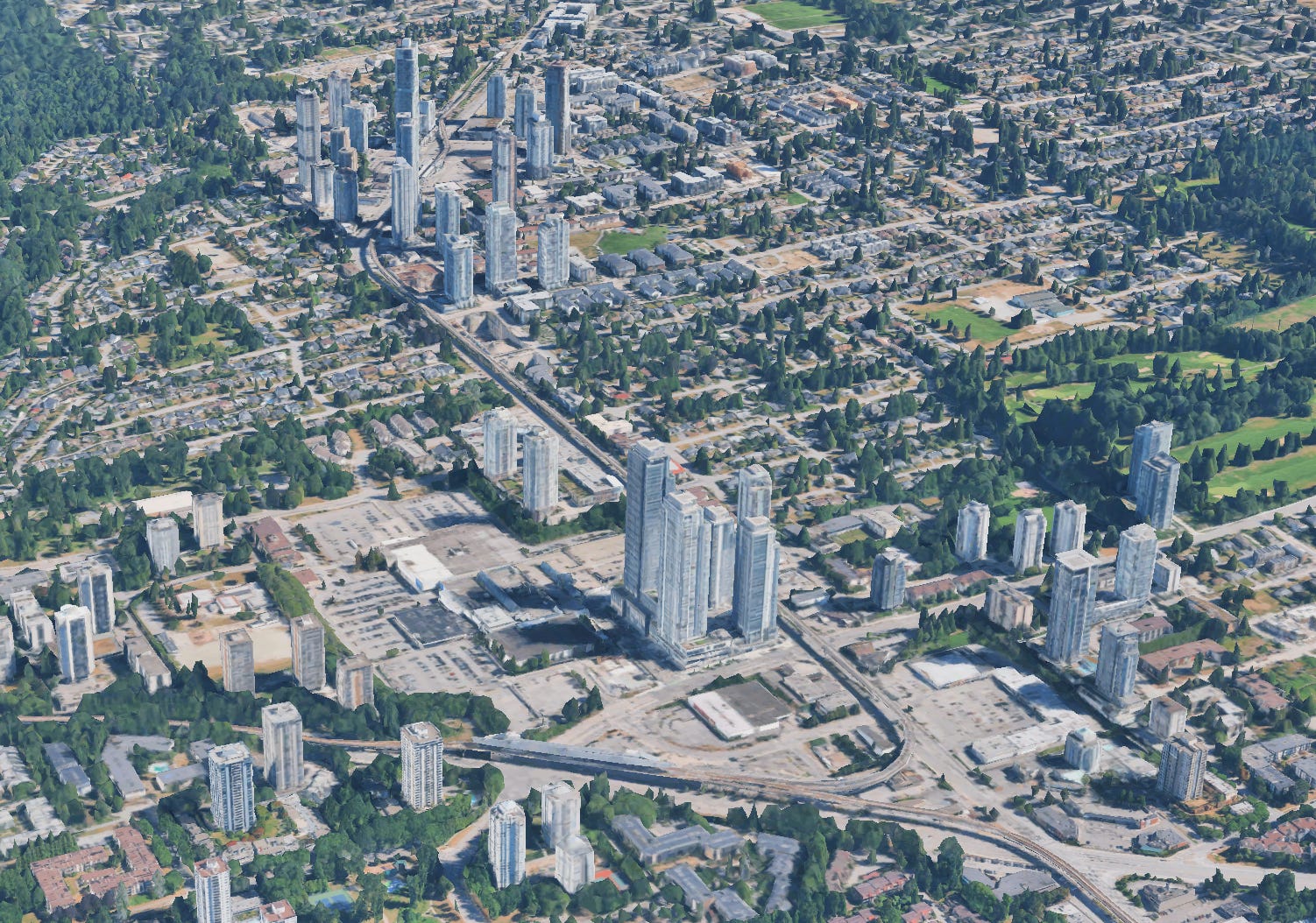
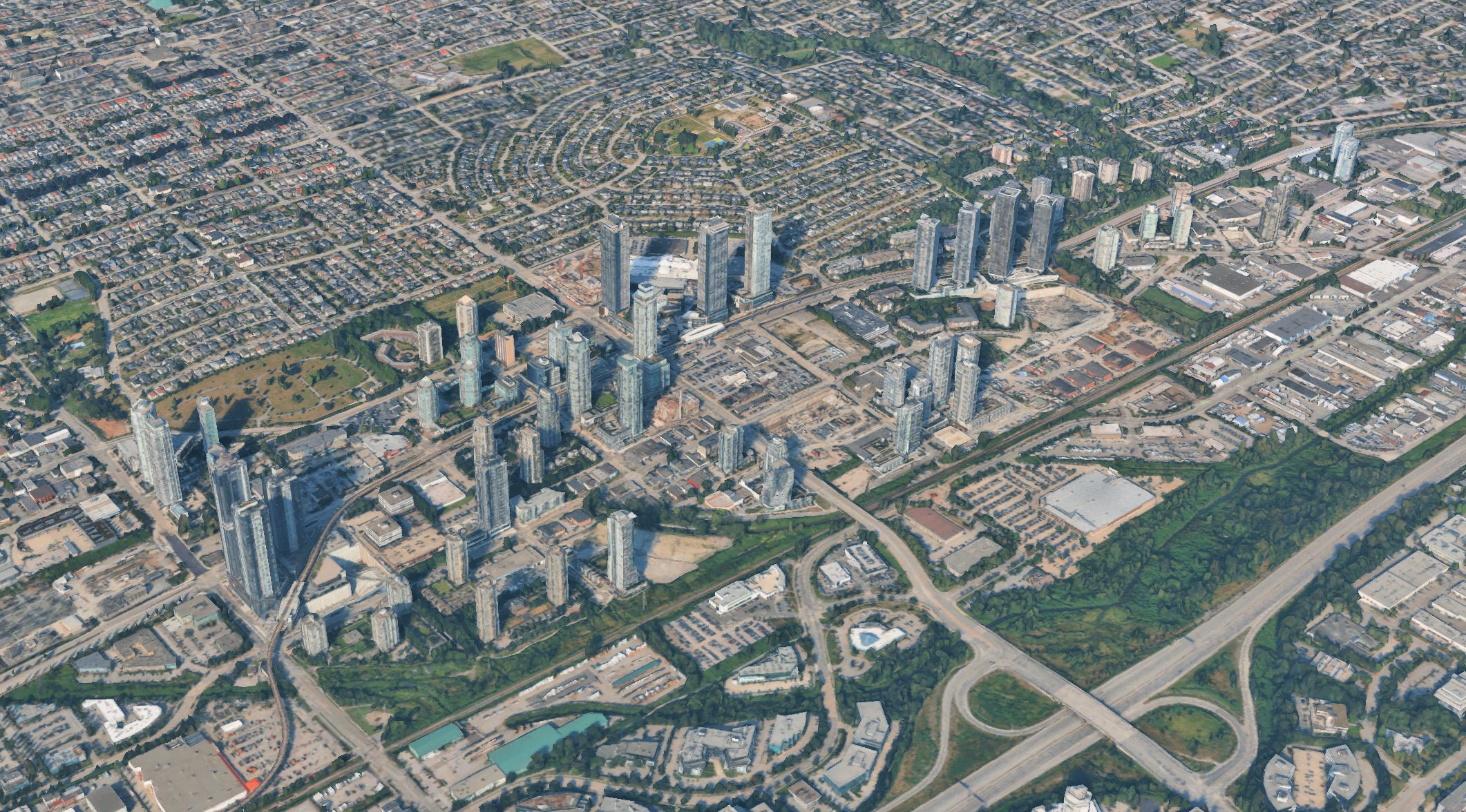
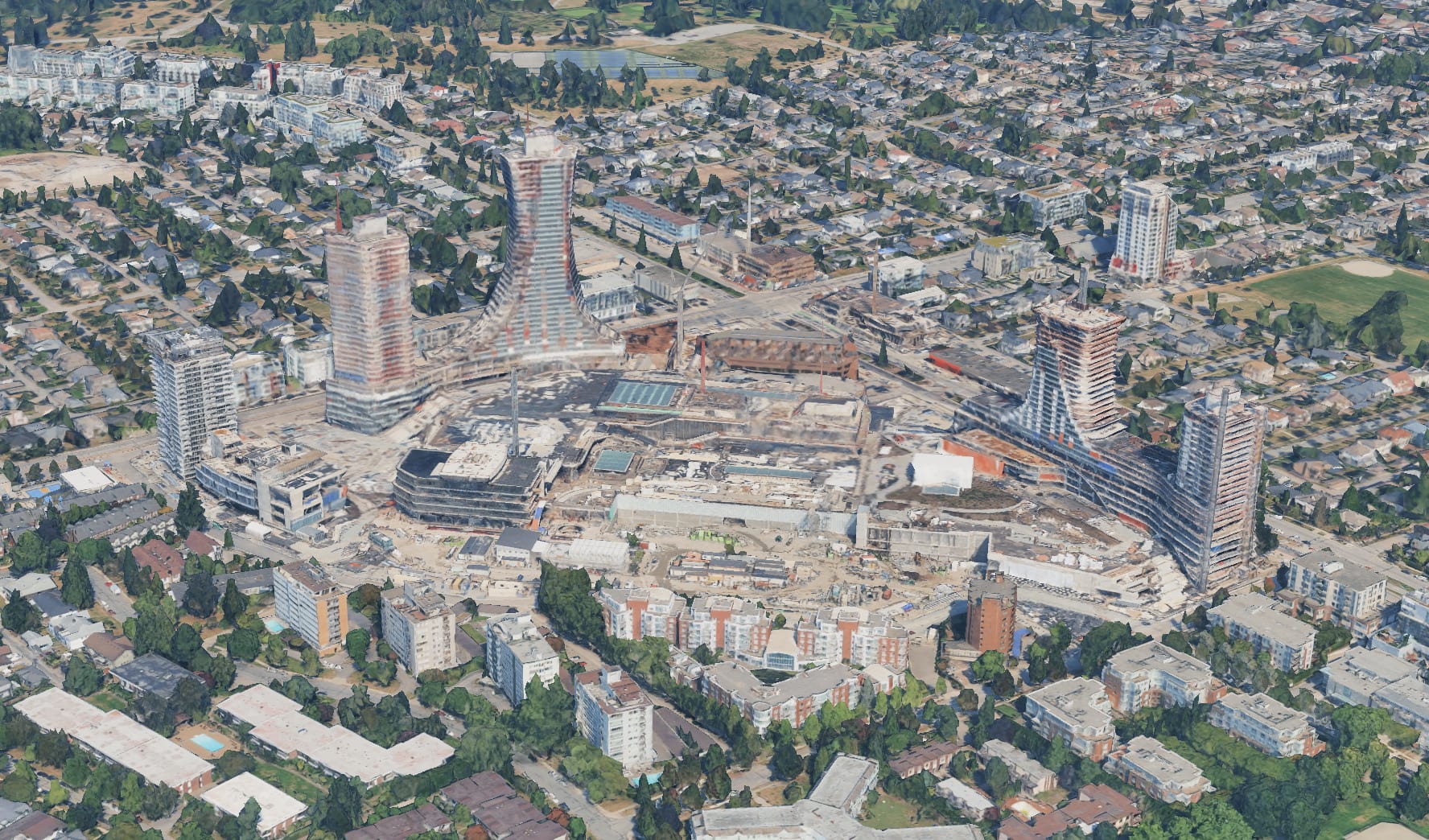
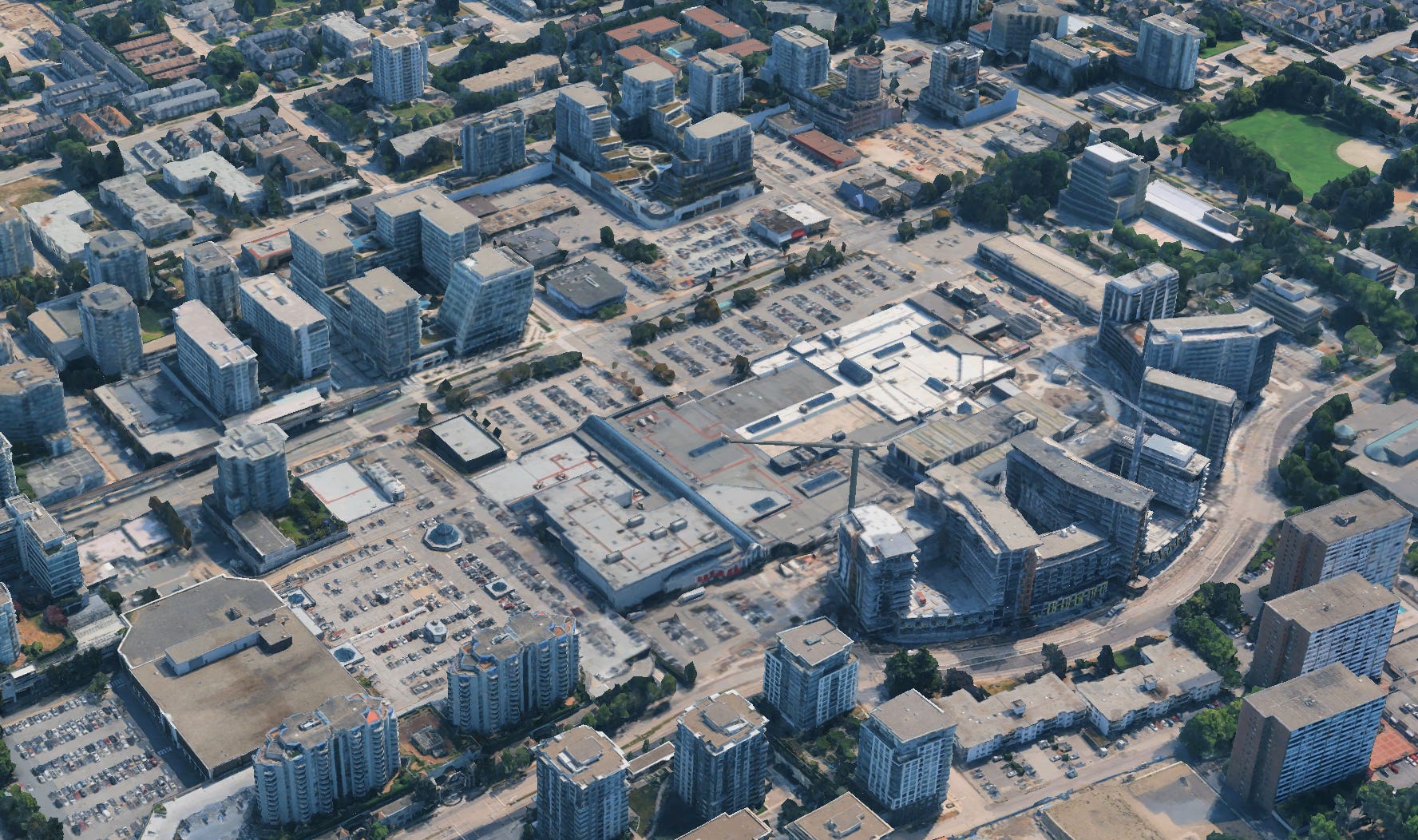
Vancouver’s major shortfall really is the hard work of doing more TOD near SkyTrain where the context is not that of huge suburban sites. There is some of this downtown, along Broadway, and even along the Fraser River in New Westminster, but the real challenge is in places that are neither existing town centres nor giant suburban malls, such as along Cambie Street.
That being said, the reality is that even with the Broadway Subway, the Jericho site and central Broadway’s increasing density show that even in fairly developed locales, Vancouver seems poised to make additional density work. With the Surrey-Langley SkyTrain on the horizon, it seems like Metro Vancouver could meet its housing needs for decades in large part by taking new and existing suburban TODs and scaling them to the current substantial scope of Metrotown. The question then becomes one of transit capacity, and of the much harder-to-construct lines that will be required to run through already dense places — make sure to subscribe for a future piece on this issue.
Alberta
Alberta has seen much less dense TOD, and this is in no small part because while every other major Canadian city has some form of greenbelt, Alberta’s big cities are allowed to continually sprawl.
This doesn’t, however, mean zero transit-oriented development. Calgary has its East Village, which is really downtown-oriented (though to be fair, downtowns are inherently transit-oriented, and were traditionally filled with trams).
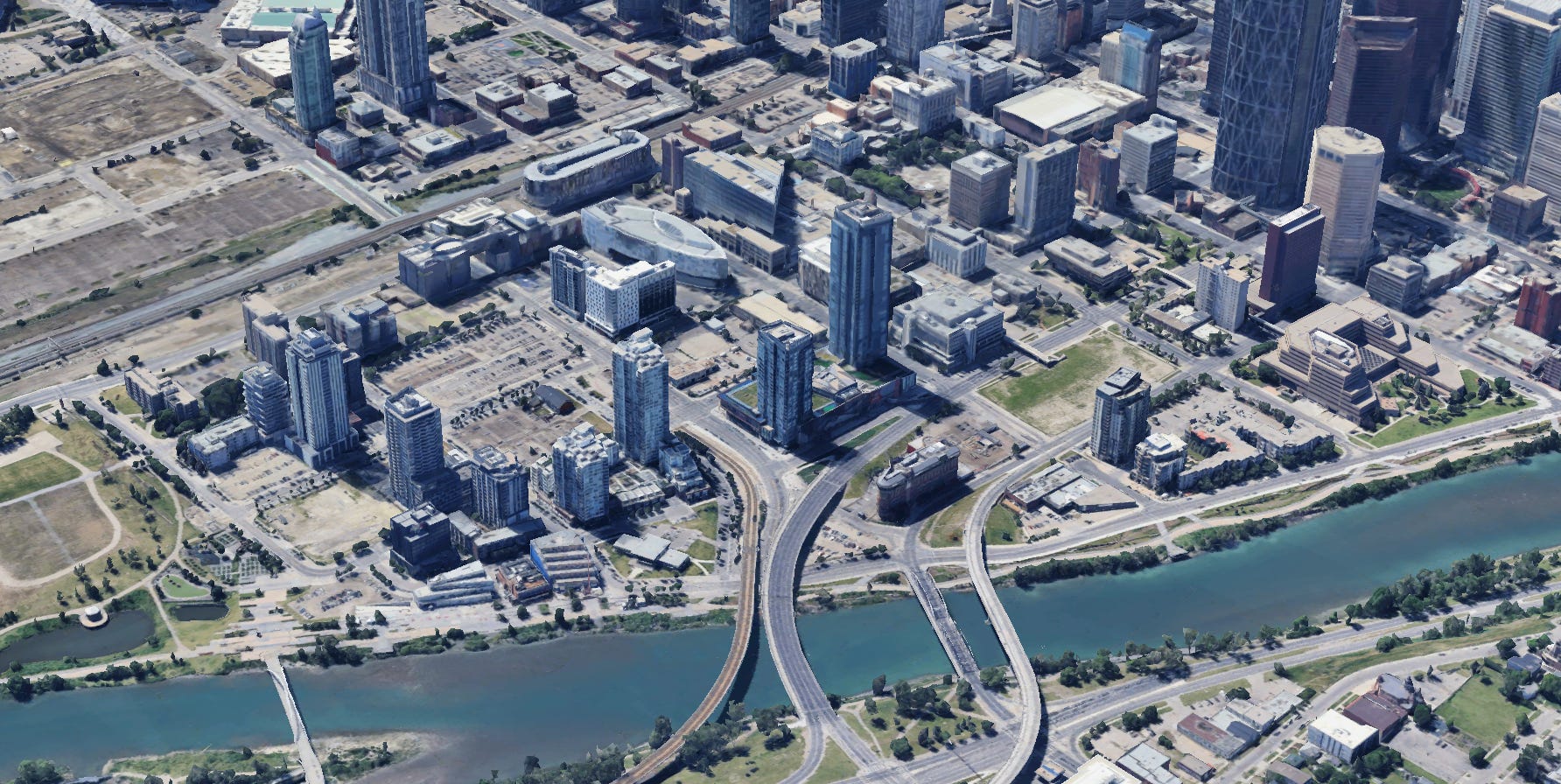
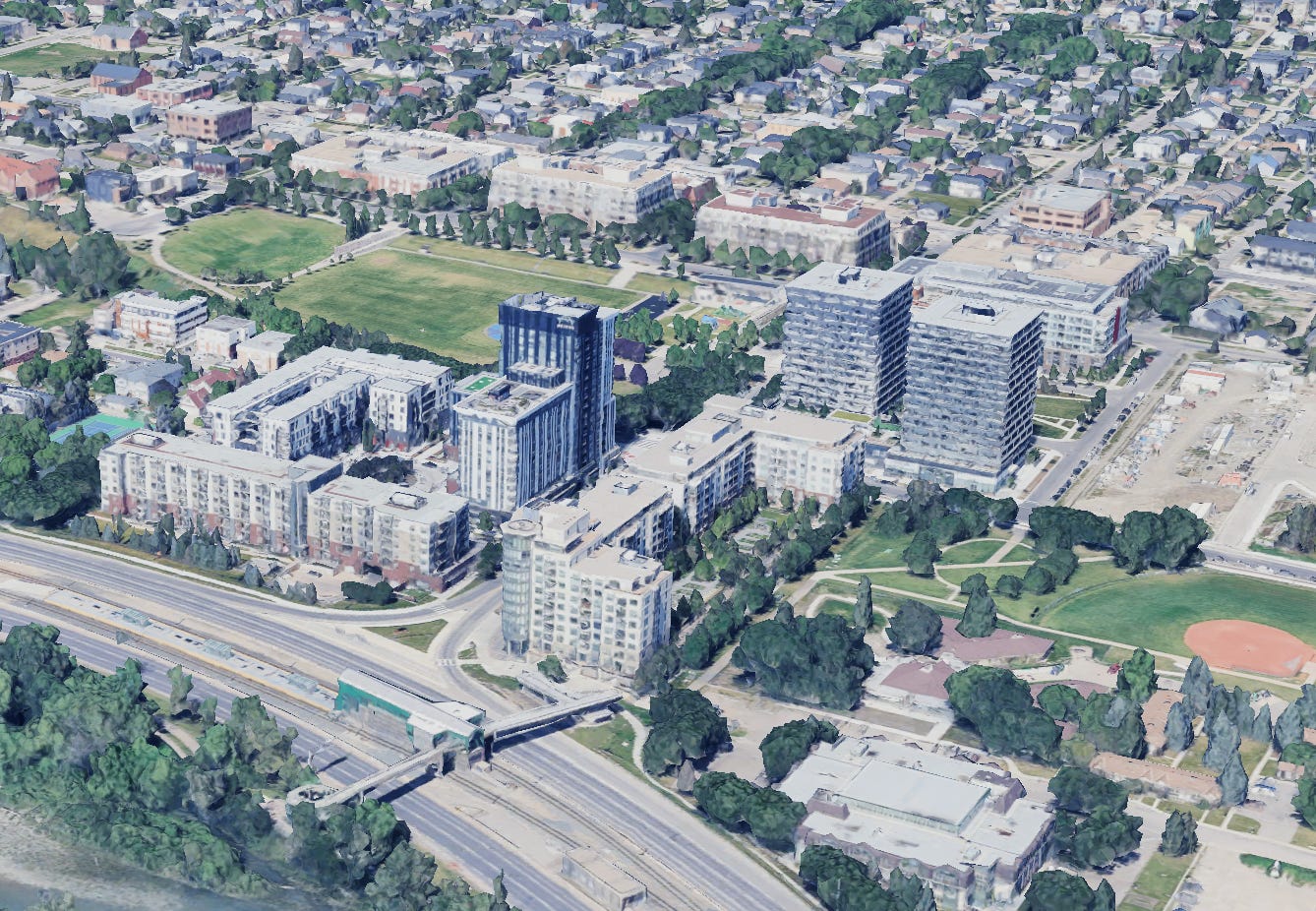
And there is some action along the light rail lines, but this is usually a couple of mid-rises here and there, and maybe a tower — often oriented towards something other than transit, rather than mini-downtowns surrounding the train stop.
Toronto
Toronto and its surrounding cities have seen the greatest amount of TOD, and there is such a huge demand for housing in the region that even places with no serious mass transit have seen Metrotown levels of densification.
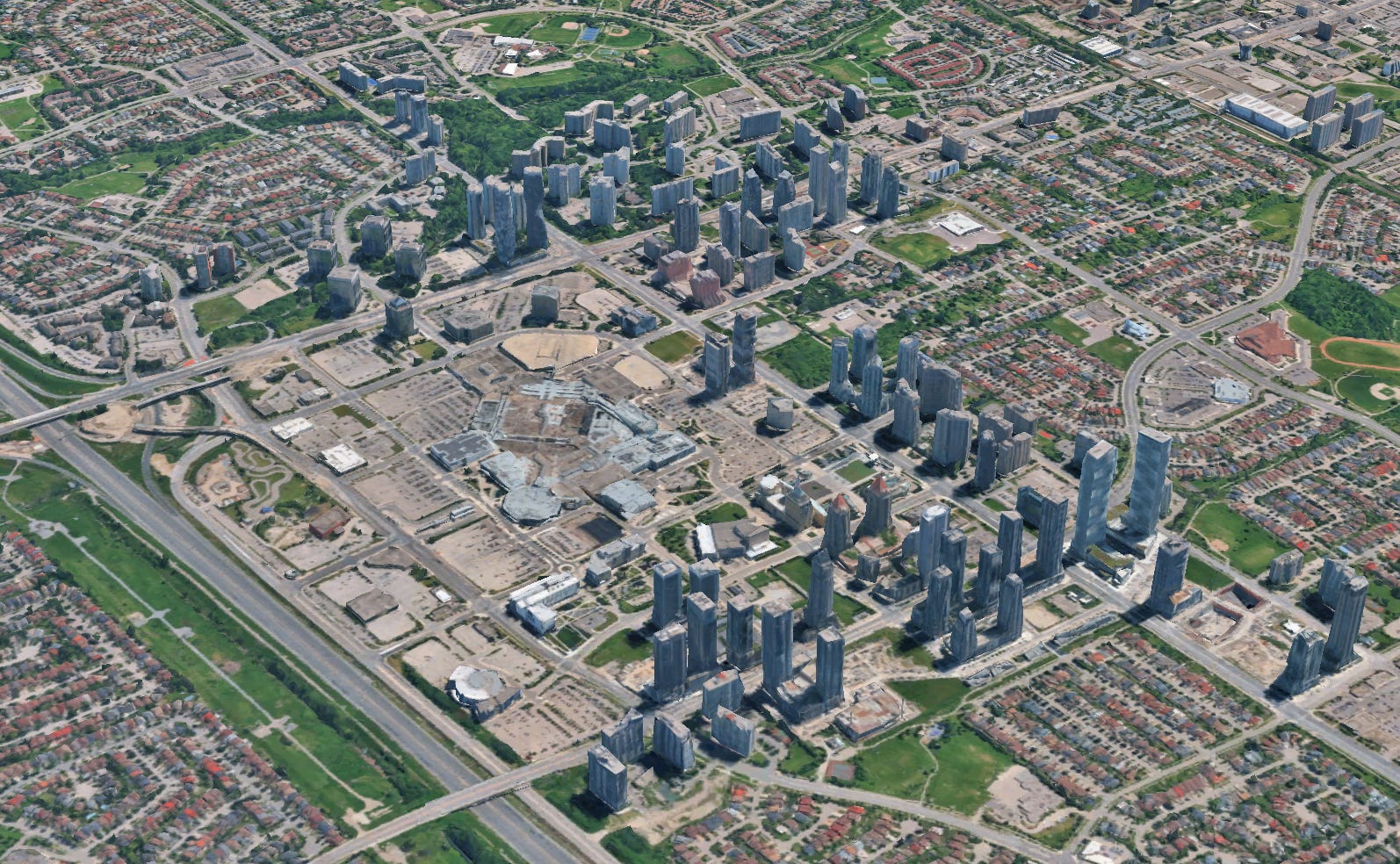
On the whole, the region has seen hundreds of new high-rise apartment towers near transit. With schemes of all shapes and sizes, Toronto’s development feels like a compendium of all the different strategies seen across the country and more.
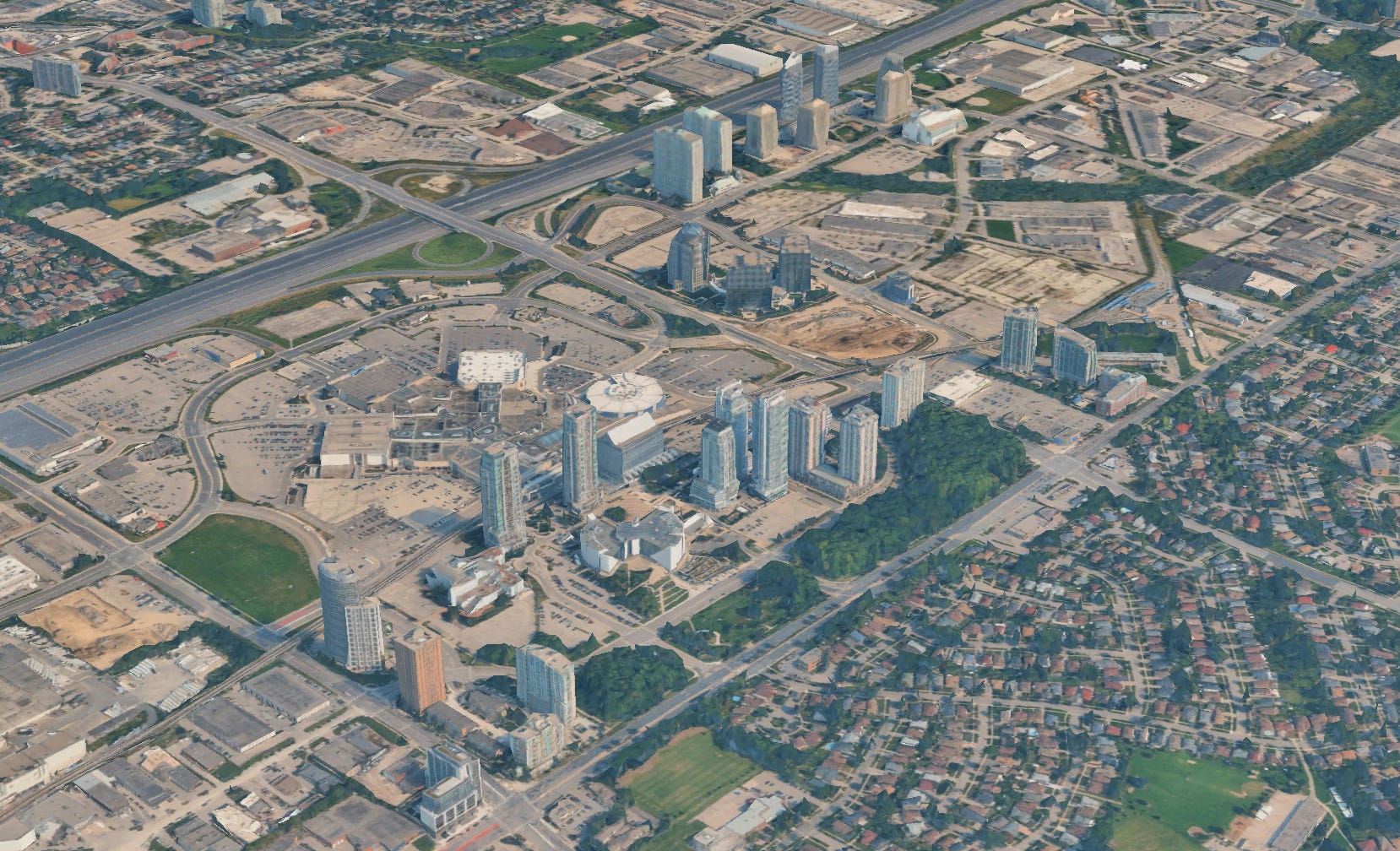
There has been mall-style TOD,
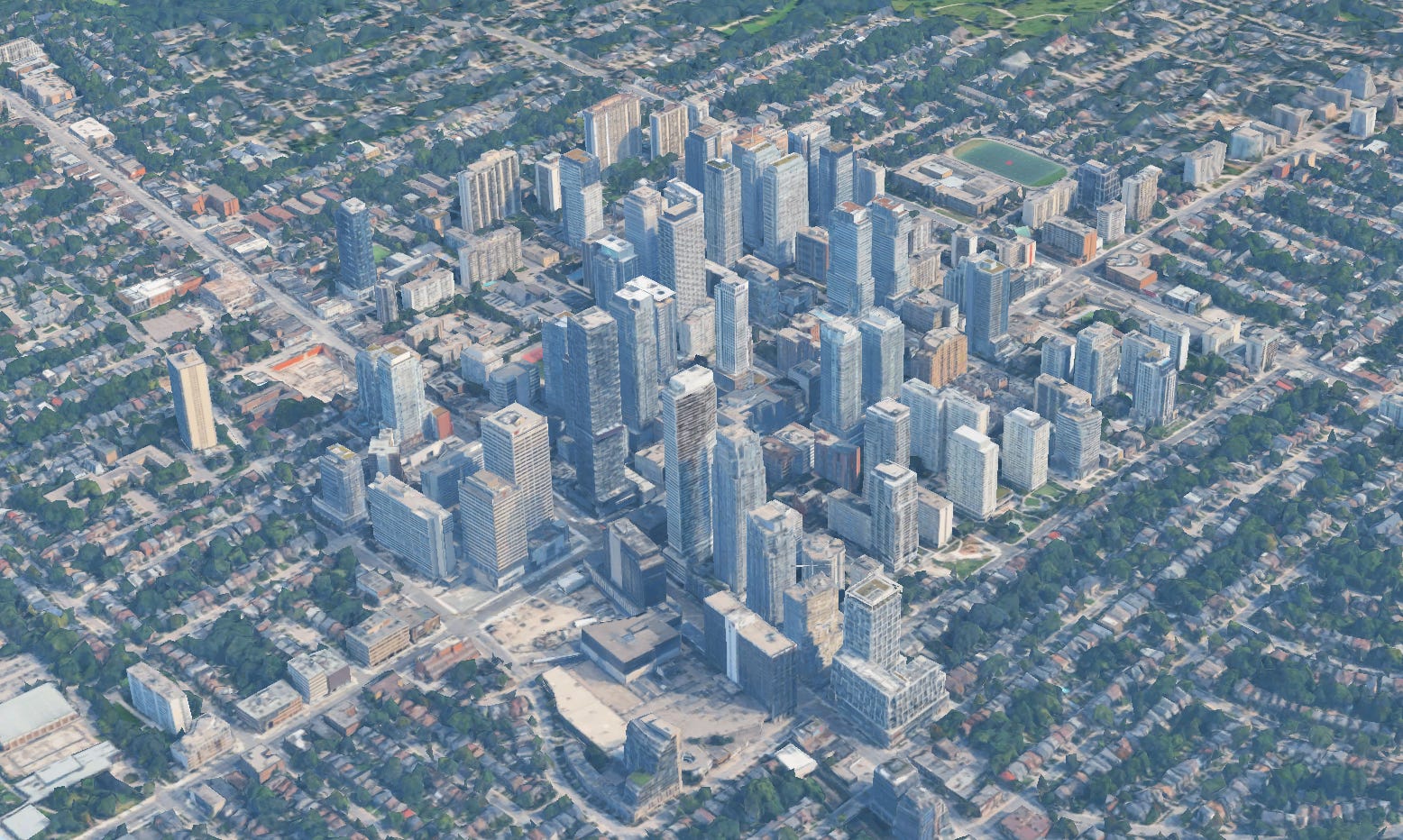
Huge amounts of density at subway interchanges,
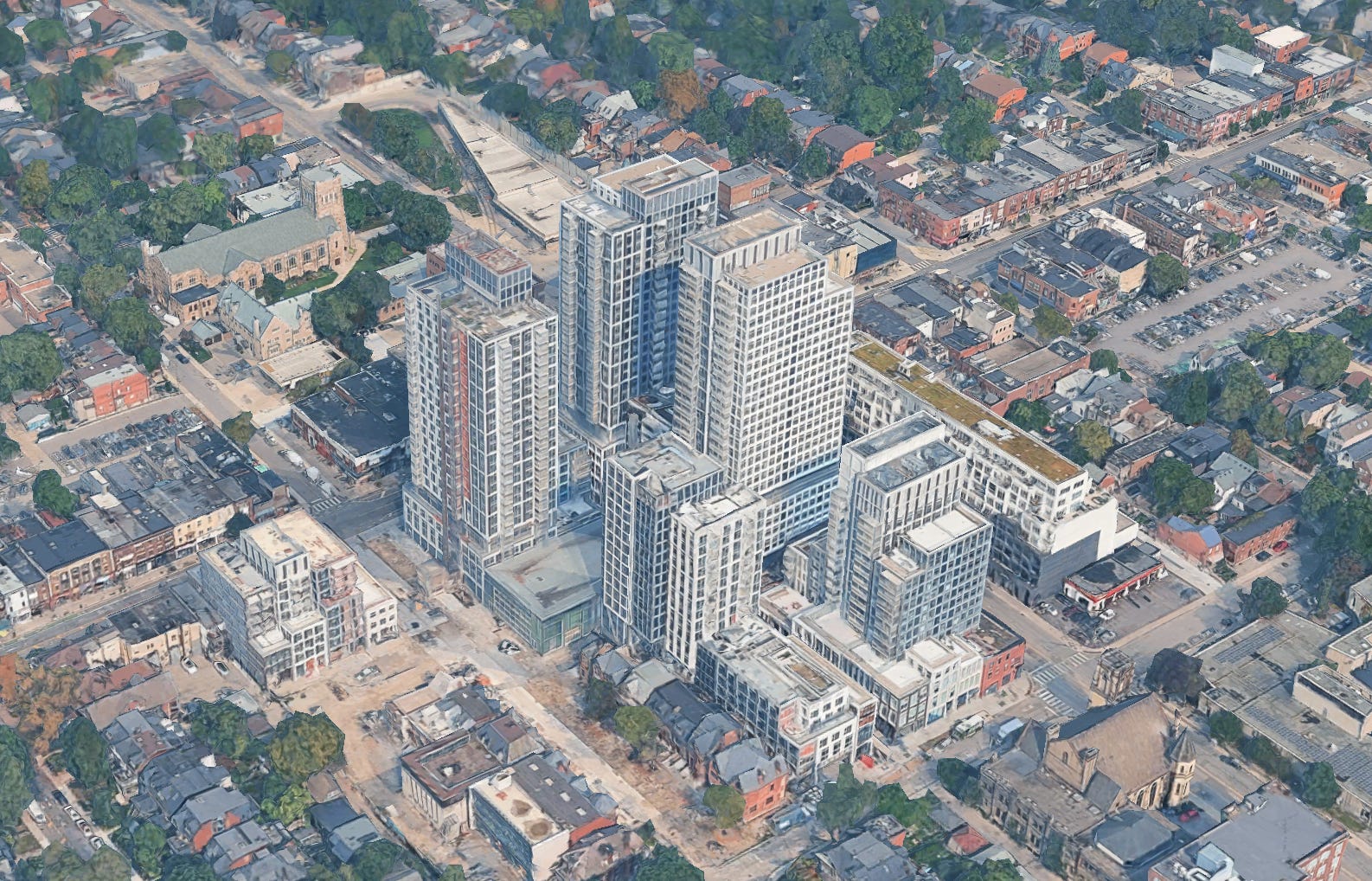
Massive urban sites, often in more established areas than Montreal, and particularly along the Bloor-Danforth corridor,
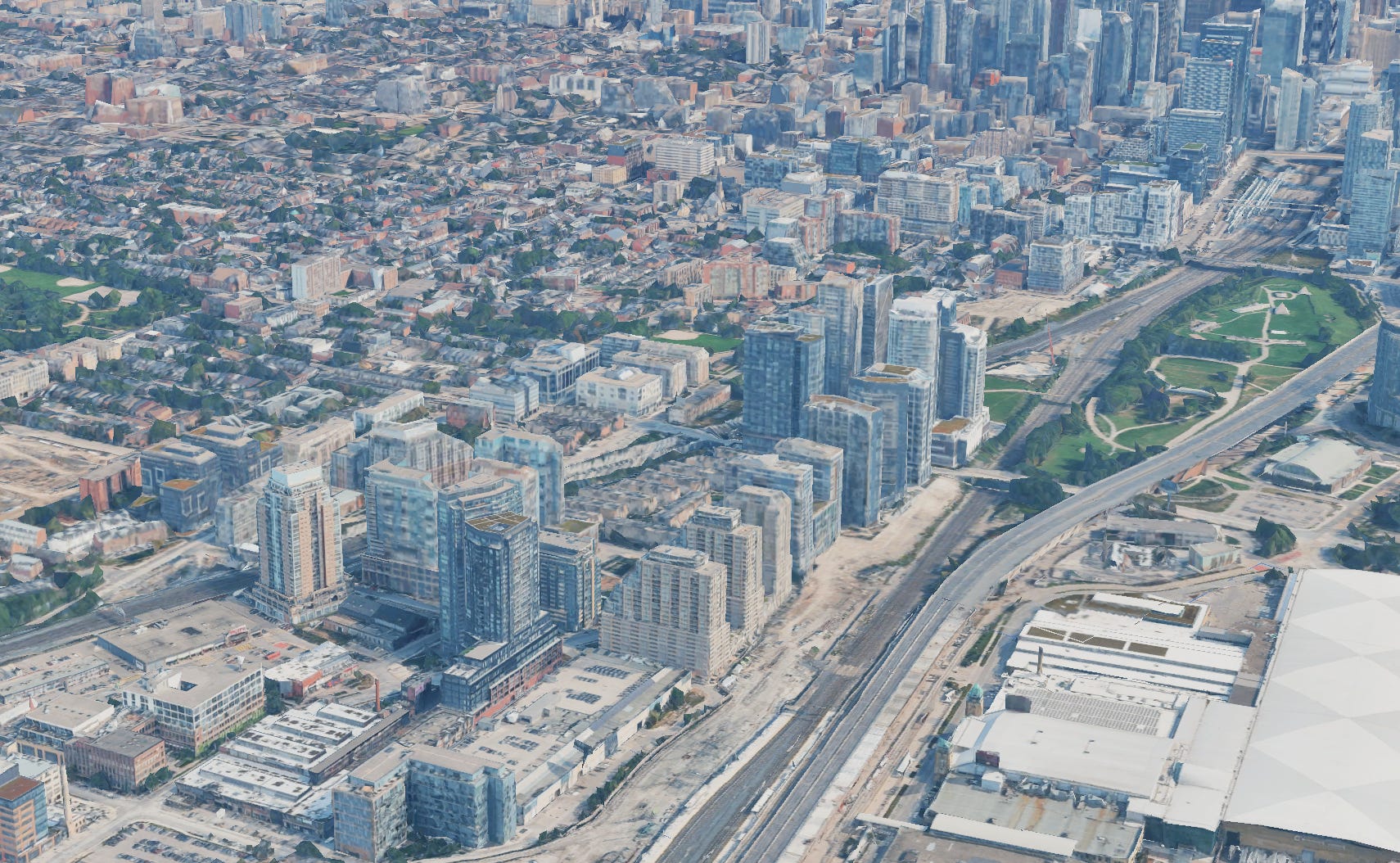
The downtown-adjacent post-industrial neighbourhood of Liberty Village (Toronto’s Griffintown equivalent) is even getting a connection to the brand-new Ontario Line subway,
And massive new transit-oriented developments are even coming to suburban rail stations before trains are electrified. Significant developments have happened or will happen at least ten different stations, and many of them are as striking as developments closer to the urban core.
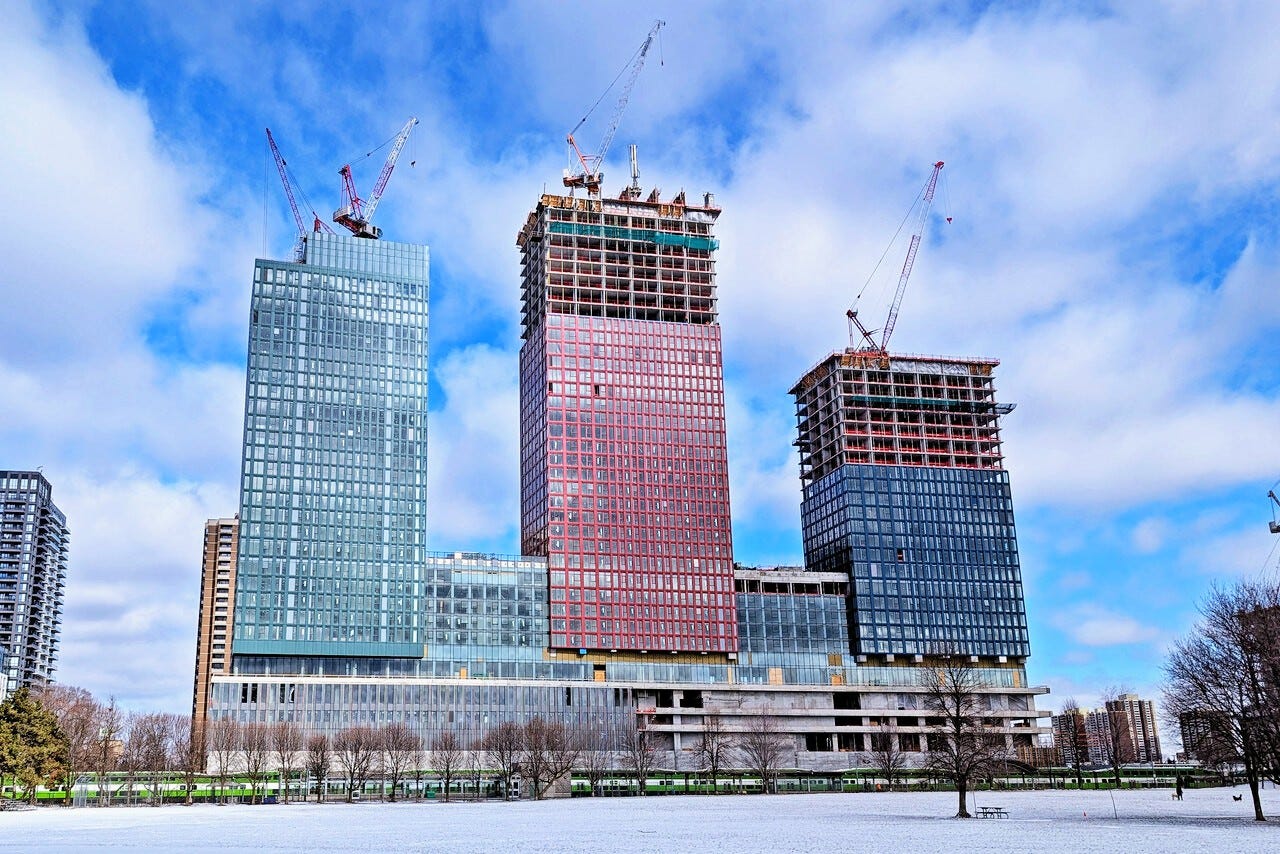
And there is huge momentum for the future. The four major subway projects being driven forward by the province come with 30 stations, but also a new “transit-oriented community” (TOC) integrated development plan that will include numerous directly integrated developments and station overbuilds. This will set the pace for area development, particularly in suburban areas — hopefully helping to get ahead of the frustrating lack of density at many older Toronto subway stations.
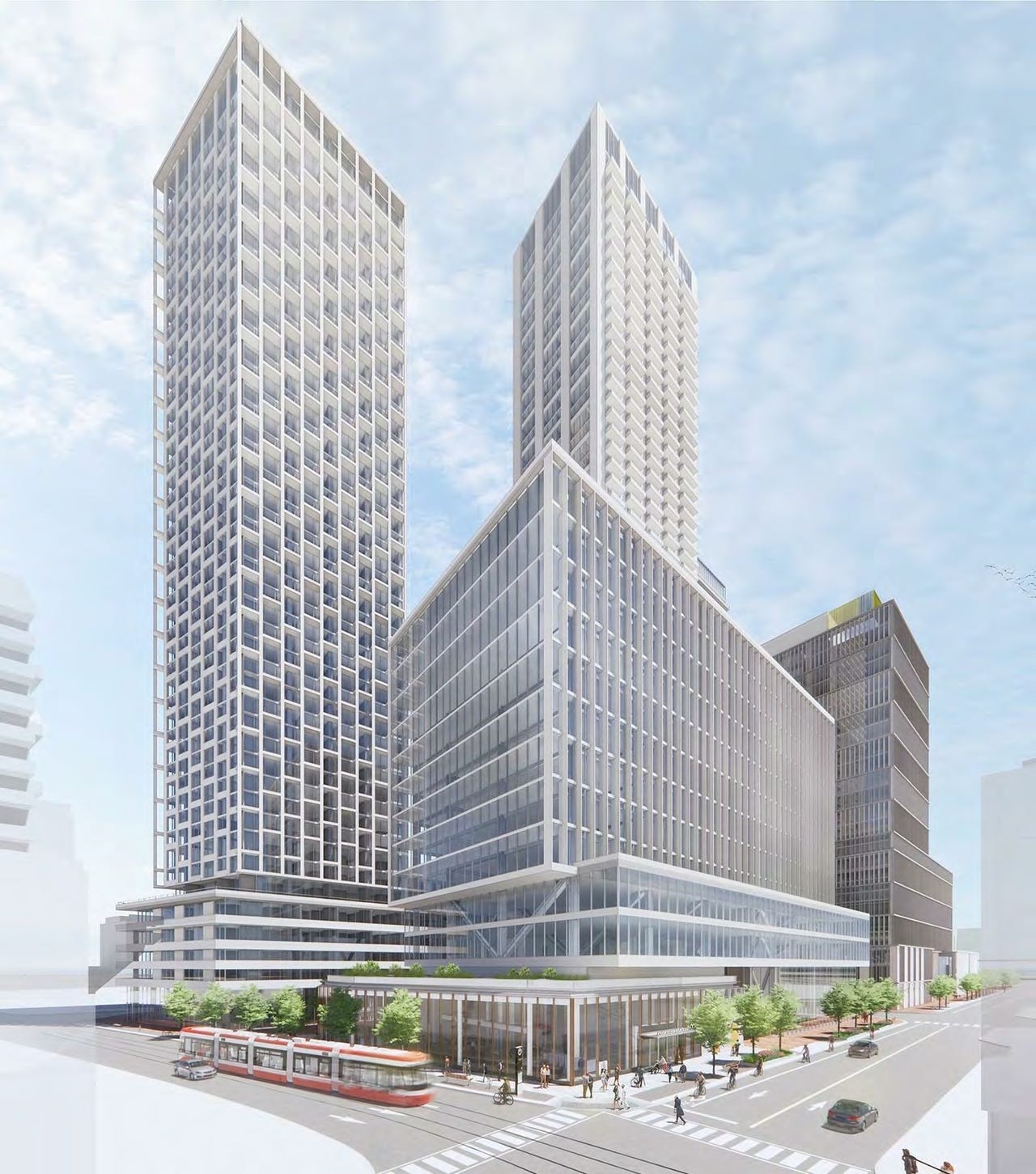
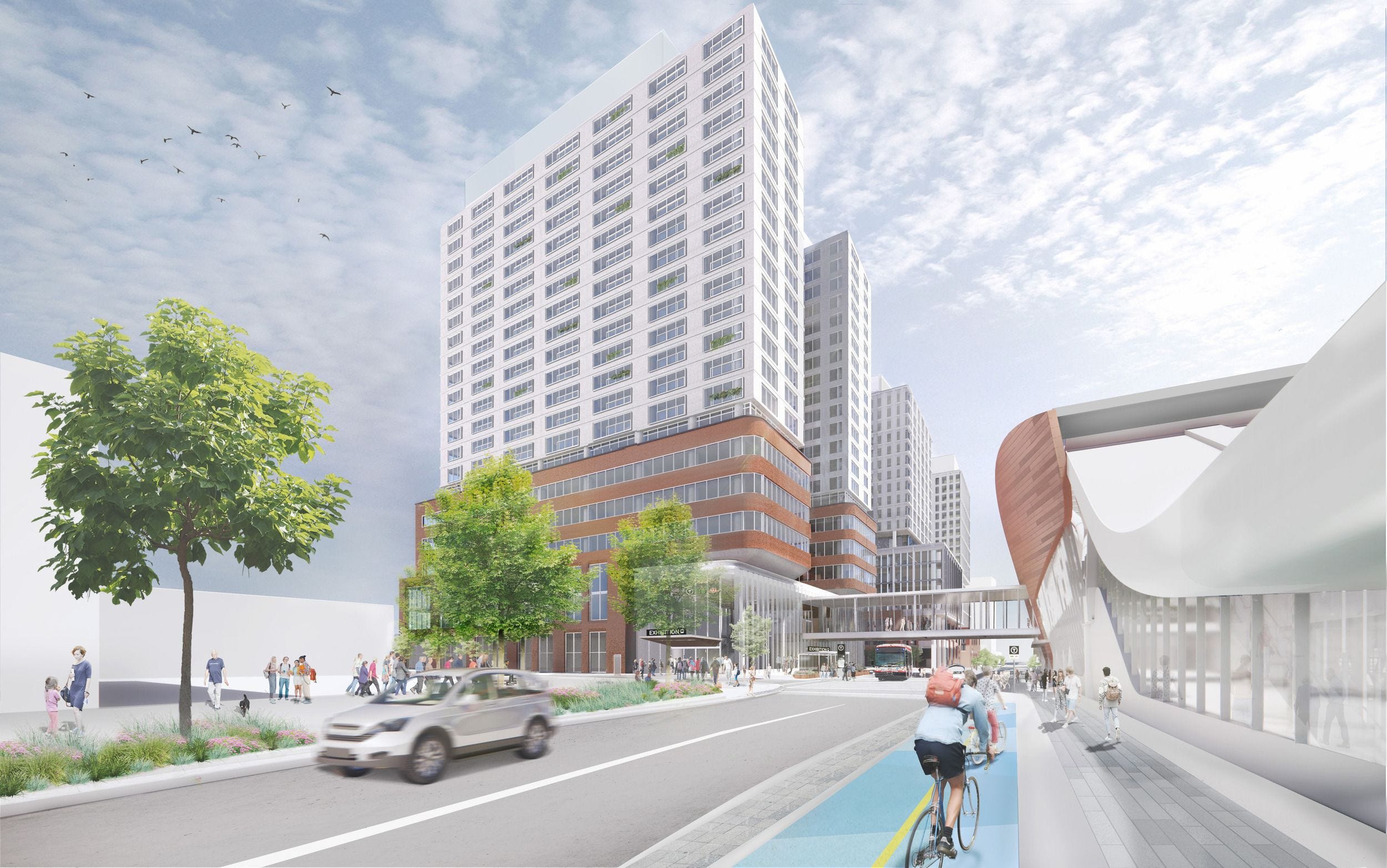
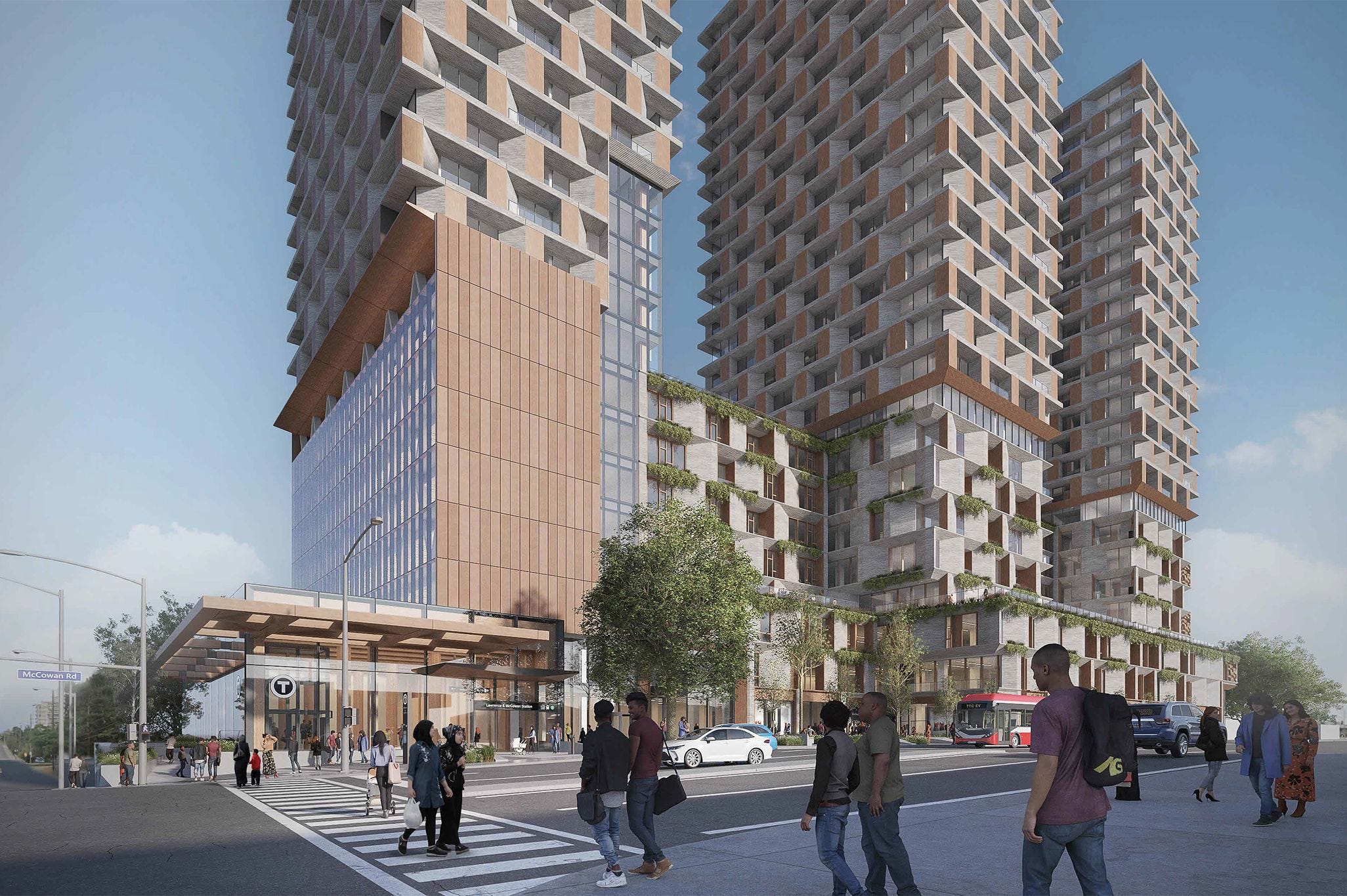
What’s more is that the TOC concept is also being applied to GO stations — a helpful reminder of both their existing status as mass transit facilities and the need to continue to push GO towards being a high-frequency electric regional mass transit system.
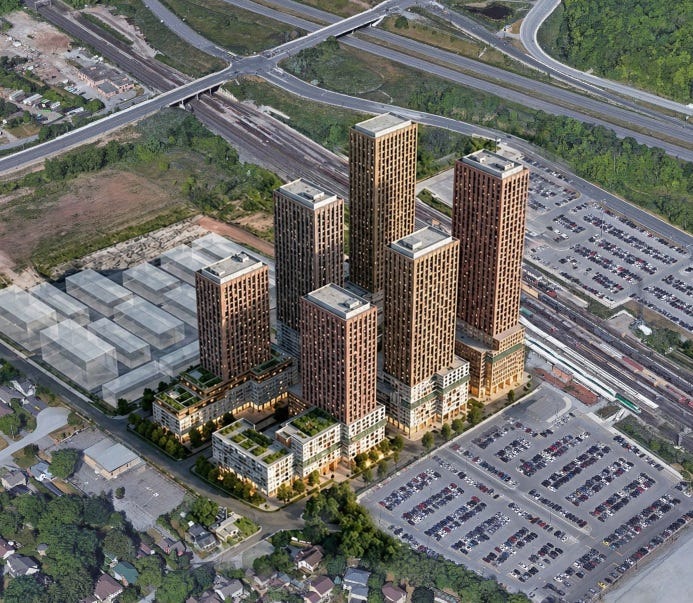
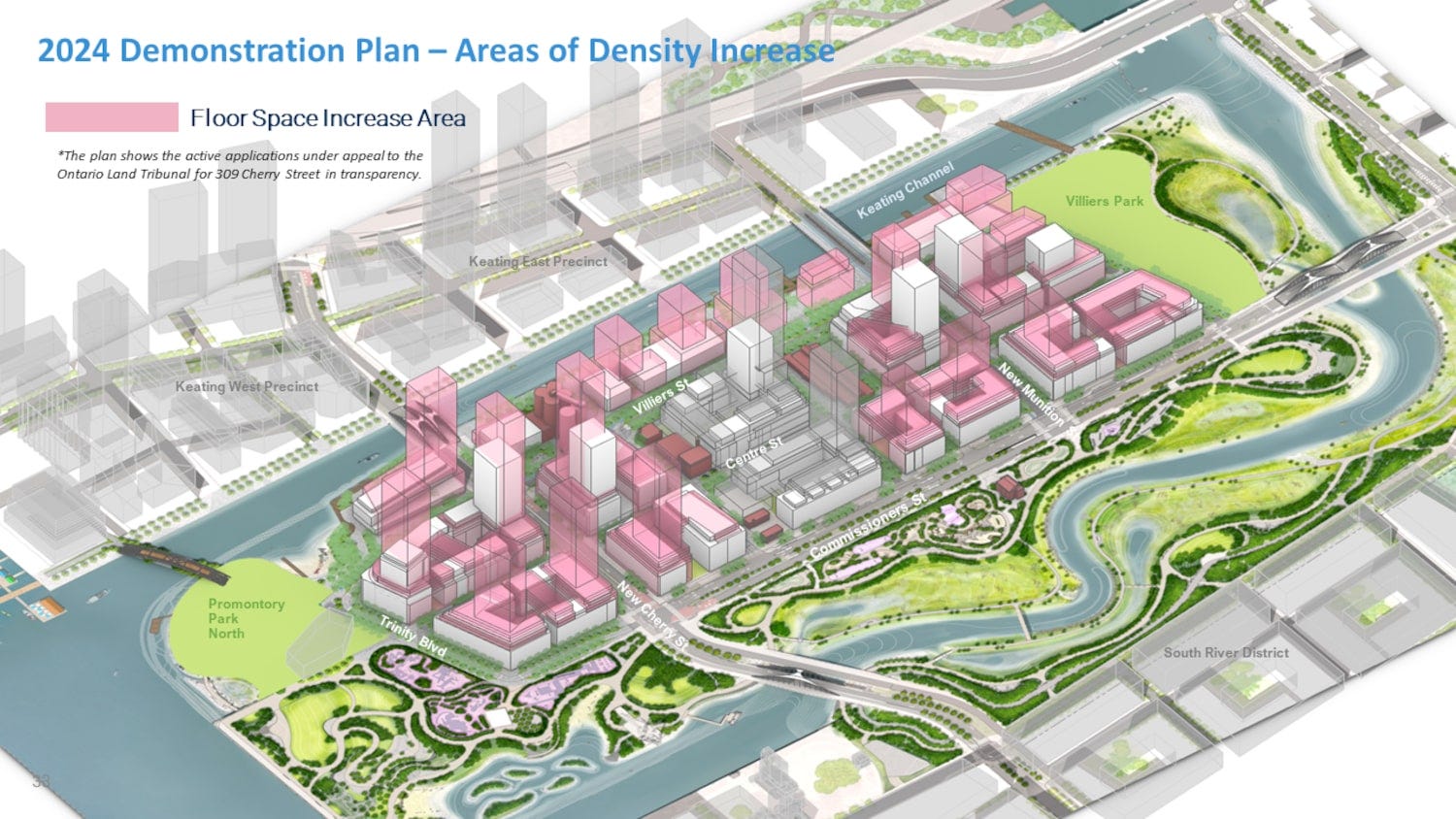
There are also two massive new brownfield redevelopment projects which encompass huge areas and will both feature electric transit connections.
The Eastern Waterfront and Port Lands feature well over 100 acres of new development land, a new island, and a nationally significant urban park — Biidaasige Park — which surrounds the new mouth of the Don River and provides significant new flood protection. A new streetcar line was recently approved and will run along the eastern waterfront from Union Station, with future connections to the King streetcar and Distillery District on Cherry Street, as well as to the major transit interchange at East Harbour.
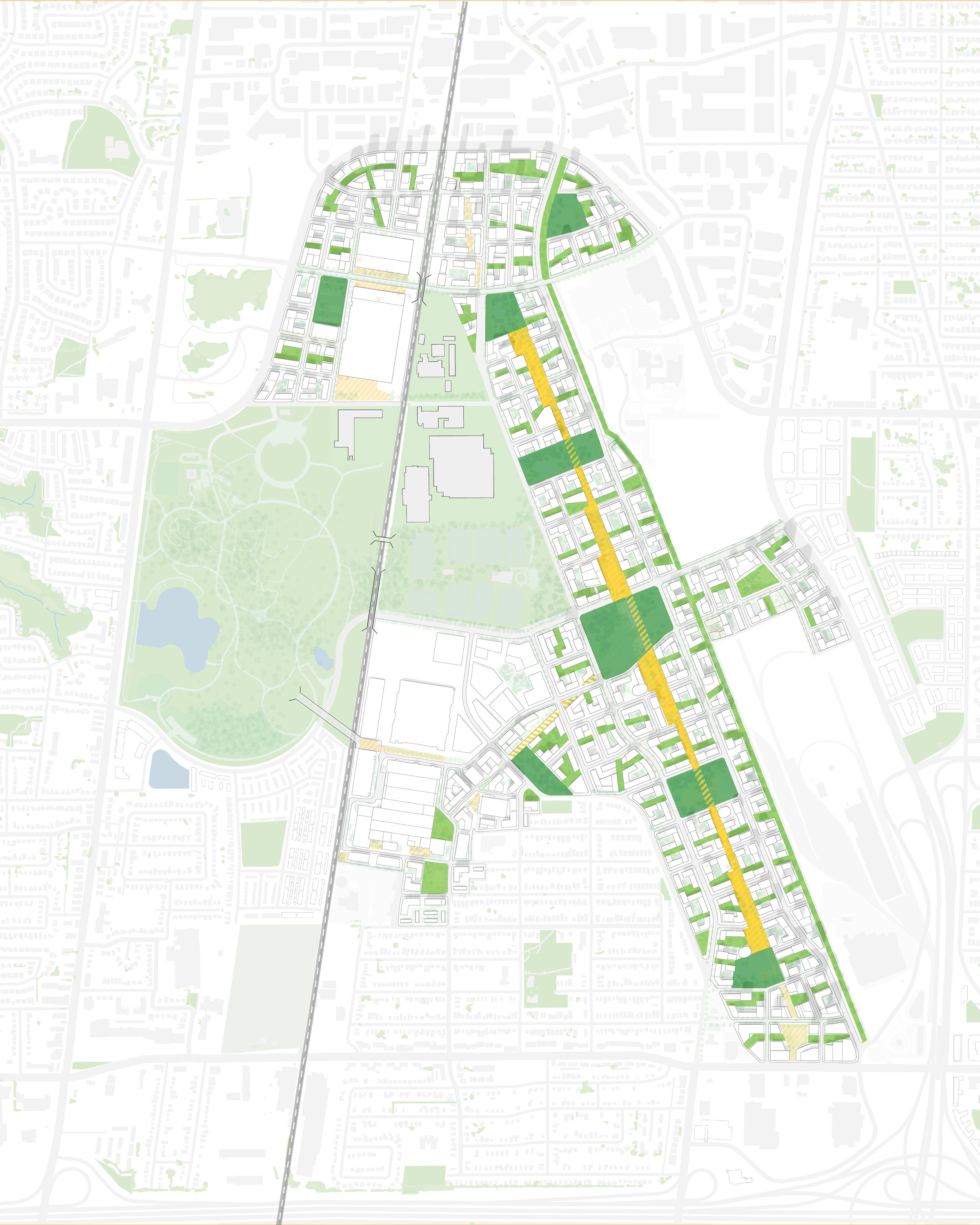
There is also the Downsview site, the former airport of the same name. This one is quite a bit further from downtown, but spans over 500 acres and features three subway stations, as well as an interchange to suburban rail services that can get you downtown in twenty minutes.
Suffice to say, Toronto and transit-oriented development go hand in hand these days.
The Impact
What is clear is that Canada has really started doing transit-oriented development incredibly broadly. It is happening to some extent in all major cities, and in the three largest metropolitan areas, it is happening in great quantities.
However, discussions around housing have really not hit on this, and when they have, it has been indirectly and from the negative angle of price.
Price really is a major problem, and it is something that we ought to touch on more often. A frequent retort from those who prefer less suburban development is that greenfield expansion is incredibly expensive because of the infrastructure required. But we are sceptical that it is so cut-and-dried. While in some idealized world suburban areas need entirely new infrastructure systems while infill development and densification can rely entirely on existing urban infrastructure and mass transit, we know this simply isn’t the case in practice.
For one, we don’t actually build most of our dense new development next to existing transportation infrastructure — or at least not mass transit infrastructure; our habit of building high-rises near highways is under-discussed. But secondly, even when we do build where transit already exists, major transit expansions and upgrades are needed, alongside lots of smaller marginal changes. While digging trenches and laying asphalt seem to still be within our capabilities and relatively inexpensive, the massive explosion in the cost of major infrastructure projects means that the cost-effectiveness of the transit side of TOD has tilted in the wrong direction.
Elevated construction costs for virtually any new transit project mean that smaller cities or smaller projects in bigger cities are no longer the escape valve they might otherwise be — for example, extending Waterloo Region’s tramway is estimated to cost billions of dollars. The high cost of transit is met with increasingly high costs for high-rise development as inputs are competed over — including with transit itself — while regulation continually tightens and the fundamental realities of construction requiring large volumes of concrete, excavation, and specialized trades are priced in.
Don’t miss a single post. Become a subscriber today for the latest on public transport in Canada and beyond.
Putting aside those costs, however, there are substantial benefits. In much of the country, a large share of new housing is in the form of high-rises. While certainly not universal, a plurality of them provide genuine access to both public transit and services within walking and cycling distance. While critics sometimes highlight the embodied carbon of concrete, the reality is that people living in apartments emit dramatically fewer greenhouse gases than those dwelling in single-family homes — thanks to dramatically smaller transport emissions and smaller living spaces. As electrification becomes more widespread, things will look even better. While single-family homes might be able to adopt heat pumps and electric cars, they cannot downsize their exterior surface areas or internal air volumes. In many cases, the best thing for reducing single-family home emissions might be nearby transit-oriented development bringing daily services closer.
Something similar is true of household costs. While a condominium is expensive to construct, its residents benefit from dramatic transportation savings. As cars go electric and turn into smartphones on wheels, personal vehicles have only become more expensive — high-rise living allows citizens to opt out.
The country is also simply getting much better at living densely. Some of that has come for free with services like Uber and SkipTheDishes rolling out globally, but the surge in people looking for small-space solutions has opened up new consumer markets. Murphy beds are increasingly common, as are Japanese futons — which commentators explicitly link to shrinking home sizes.
There is even a growing ecosystem of online creators dedicated to styling the type of compact home that most people wouldn’t have associated with Canada 20 or 30 years ago. IKEA now operates a downtown format in Toronto. The built environment is changing.
Politics might be shifting too. While the country’s first-past-the-post political system still tends to dilute urban representation, it is becoming increasingly risky for politicians to rail against the apartment towers in which a growing demographic of younger voters live. Headlines that once might have earned a chuckle now attract swift pushback.
The operational benefits for transit agencies are equally obvious. While commuter mode share is bolstered by residents who start their journeys in apartments close to rail infrastructure, this captive market also creates strong off-peak demand and stickier ridership as travel patterns evolve. While stopping at a suburban grocery store on the drive home might be common for car commuters, retail space within stations becomes immensely valuable as a way of serving transit riders along their daily journeys.
Across the board — and particularly in the biggest cities — condo developers are taking a haircut, with the market facing severe headwinds. Yet the long-term outlook remains strong. Small apartments might not appeal to everyone, but priced right, they remain an accessible way to enter the housing market. With smaller household sizes and digital services reducing the need for excess physical storage, it is entirely possible for people to live comfortably with less square footage. As markets adapt, more functional homes and streamlined regulations may emerge from this downturn.
Onwards
Improving the way we build apartments has the potential for massive impact, largely because much of the transit-oriented development discussed here centres on existing transit lines. Most cities across the country are currently planning or constructing major new rapid transit projects — from Edmonton’s Valley Line West to Montreal’s extended networks and the regional rail electrification program across the Greater Toronto Area. Many Canadian cities will have 10% to 30% more electric rail a decade from now, unlocking far more land for potential TOD.
At the same time, almost unimaginable amounts of land have been zoned for higher densities in the country’s biggest cities. Some of this looks like new missing-middle housing that would look at home in Montreal, but a huge volume of it is also the rezoning of suburban land in places like Toronto to enable new high-rises along major transit corridors, as well as near stations.
Alas, there is still much work to do. Even with lots of high-density development, a big problem comes down to how development flows from building to building and from building into transit. One of the most common sights in Canada — particularly in Ontario — is a high-rise development that is hermetically sealed from its surrounding environment. You might need to walk the long way around the block, or take a huge detour just to reach the nearby transit station. Street environments, while often featuring wider sidewalks, are frequently unshaded and rather ugly.
Some of these design choices come down to questionable attitudes in urban planning spheres. While in Japan, Hong Kong, Helsinki, and even Toronto historically, indoor connections from rapid transit to developments were fairly common, much like with the aesthetic obsessions surrounding trams, a major goal is now to “animate the street” by not providing such connections. This, of course, ignores the unattractive street environments that often exist in actuality and follows the pattern of several policy measures that are all stick and no carrot. In fact, it is often the case that we provide a lot of stick without any real prospect of a carrot ever arriving. We have shunned direct indoor connections to transit for well over a decade, but our streetscapes certainly haven’t improved much in that same time.
A general dislike of malls — which seems oddly wrapped up in the American trend of failing suburban shopping malls, while ignoring the more dynamic urban malls that exist in Canada — also makes transit-oriented shopping more difficult. All of Canada’s big cities have transit-connected downtown shopping centres, but there is little prospect of creating new centres with high-quality transit connections. Indeed, some of the country’s most notable retail developments, like The Well in Toronto, feature no higher-order transit connections at all; in Japan, such a project would absolutely be centred around a major railway station. The irony here is that The Well is next to a major rail corridor and a site that is prime for a massive new station, yet authorities won’t really commit to building it. Vancouver’s Oakridge development is transit-connected, but only peripherally — not to an interchange station — and the mall already existed.
Perhaps the worst example in recent memory is Royalmount in Montreal, which is half-decent, but requires a long trudge through an elevated walkway to reach the metro. When we visited, that journey required a walk across unpaved gravel and directly into an active travel lane. This stands in stark contrast to a place like Hong Kong, where new shopping centres regularly appear directly at new MTR stations — not 400 metres away and up and down three levels. This not only provides a major revenue tool for transit, but also delivers amenities for residents of transit-oriented development that make these homes even more convenient and valuable. Figuring out how to do more of this in Canada has to be a big part of improving our TODs.
Alon Levy of Pedestrian Observations has written extensively on the corridor-style nature of significant amounts of Canadian transit-oriented development. The idea here is that while the natural form for transit-oriented development would centre on the actual transit, what Canada builds time and again — especially in brownfield locations — are strips of high density paralleling transit corridors. These give the appearance of an orientation around transit, but are mostly optimized for redeveloping commercial and otherwise low-value property fronting a major street, while shielding homeowners who have won the land-value lottery from development — privatizing the gains from transit and failing to maximize its public benefit.
Of course the MTR shopping center model is largely about value capture, but our cities could already be doing far more with value capture even before we master the arts Hong Kong mastere decades ago. Tax increment financing and infrastructure financing districts are real options but they need to be competently implemented and ideally nationally standardized.
Another thing we could learn from Hong Kong is bringing transit to developments on day one. A great advantage of the model where the transit builder also builds the homes and shopping centre is that those naturally follow and benefit from construction efficiencies after a subway is completed. But it is also simply the case that a lot is lost when you build a new apartment tower and then fail to build the transit for 15 more years.
More options for tower floorplates would help. In Asia, far larger units are much more widely available, in no small part because cities are less restrictive about exactly how towers need to look and less presumptuous about people’s preferences. We think a lot of condo dwellers would happily take an extra bedroom, even if that meant the windows on that bedroom looked at another part of the same tower. More centralized development, especially if undertaken either by or in partnership with transit builders, could also lead to dramatic efficiencies in amenities. Many, if not most, modern developments in Canada contain all manner of amenities, from golf simulators to cinemas and pools. Having giant community centres attached to centralized shopping malls could provide both less expensive and more functional amenities, while also better fostering a sense of community by encouraging residents of different buildings and income levels to cross paths. Connecting amenities, retail, transit, and homes indoors — or at least with weather protection — is natural with a more centralized model, and would work perfectly given Canada’s harsh and increasingly volatile climate.
It is also worth noting that most great cities have suburbs, and that lower densities can also be transit-oriented. A favourite place to point to might be the Netherlands, but Australia provides a case much closer to Canadian development patterns. Suburbs of Melbourne and Sydney have huge homes that would not look out of place in Laval or Mississauga, but these homes are often just a short walk, cycle, or drive from a railway station with frequent electric service. Urban planning in Canada often looks through rose-tinted glasses that ignore the reality of large suburban homes; this hasn’t actually stopped such homes from being built, but through a lack of coherent planning, it has ensured that residents will drive all the way to their final destination instead of taking the train.
So then, Canada stands at a crossroads. The country has legitimately built significantly more high-density, transit-oriented development, and this should be celebrated for the massive climate and cultural win that it is. However, if we want to avoid creating a stark divide between those who live in towers and those who live in houses, and if we want to enrich all citizens’ lives, we need to get significantly better at delivering transit-oriented development. Political battles over transit might become much easier when virtually all participants actually ride the system from time to time.
Keeping abreast of the transit networks across all of Canada’s big cities takes a lot of time and commitment. The Transit Brief lives and dies by your support. To receive new posts and support my work, consider becoming a free or paid subscriber.
Thank you.
If you enjoyed this post, consider sharing “The Transit Brief”.
Made with love, in Canada - 2026.
One thing missing in at least the GTA, is more mass transit integration to non-office bound workplaces. Industrial sites (such as Ford plant in Mississauga/Oakville) or various industrial sites around Steeles are not easily connected to mass transit. Even many office clusters in the GTA (like Markham, or along the highways in Mississauga) have poor mass transit connections. Building homes is one thing, people still need to get to work and leisure to get to maximize usage.
“Transit Oriented Development” suffers from something a little bit similar to the “15 minute city”.
Both are industry terms that make sense logically, and top down. But neither resonate with ‘normal’ people. No person who is not into urbanism would really get what they mean, and often would find what they create is not necessarily what they want.
TOD is a proposition for urban planners that fails to be a proposition for people who want to live with the benefits of a city.
The photos in the piece tell the story. Lots of units connected to some form of transit, but without a lifestyle. The Montreal South Shore example is ideal. Living out there by the highway isn’t terribly desirable.
We need to build on TOD so we create places that are lovable to live in, not just something deliverable or commercial to cities and their transit systems.