

The Future of Toronto's Line 5.
Some thoughts on Toronto's newest subway.

Enjoy this blog? I’m doing a (pretty rare) sale on paid memberships. Transparently, most posts on this blog are free-for-all which is how I like it, and probably healthier as a creator. That being said, if you are so blessed as to have money to spare, and want to help me continue to amp of my work here, and if this blog has brought value, or entertainment to your life - a paid subscription means a lot.
Cheers.
Toronto Line 5 has now been open for almost half a year, and given it’s come up a few times recently, I thought it would be good to start the conversation on fixing the things that need fixing.
After having written everything, I think the ideal way to do these improvements is likely as a “Line 5 Upgrade” type project that could bundle all these improvements to really make Line 5 feel (the way it should have always been) like a modern light metro line to complement the three higher-capacity subway lines in the city. You’d have upgraded stations, new trains, a slight “extension” of the subway section east, and all new wayfinding and visual design enhancements.
If anyone might be interested in making a video about this, please reach out!
I can already imagine a politician groaning or saying no more money is being spent on the Crosstown now that it’s open and given that it’s been having all these debacles, but most of the issues I’m going to raise were known problems for years before the line opened and really should be fixed if we want to unlock all the value we can from this project, which has gotten so much time and money from us already. I’ve structured the post to start with the simpler things we should do sooner, and ended with a modestly complex (okay, not really, but it feels that way in the exhausted Toronto context) engineering problem.
None of this is to say that I don’t think that Line 5 is good or useful — it’s pretty good and very useful, and as frequencies increase (in some cases dramatically) on the 5 connected rail lines (this will increase to 7 by the 2030s), it will become even more useful and highly-used.
Operations and Technology
The most obvious thing that needs to be fixed on Line 5 are the dog awful operations, and the often not working next train screens. Line 5, which I’ve largely used in its central subway section operates like a hybrid of the TTC streetcar (a bunched mess with long waits sometimes, and two trains in a row at others) and the subway. This is madness because the line has the infrastructure of a subway for more than half of its length.
I would chalk these operational problems up to a combination of the TTC’s typical lackadaisical operations, and delays from the surface section propagating throughout the line (which is partly also a TTC ops problem). The TTC and city insisted that they had to run this line because of their great expertise in running transit, and now they have even more egg on their faces. The simplest improvement that could be made is running only about half of trains to Kennedy over the surface tram section of the line, which would still be a passable frequency, while turning every other train at Laird and focusing on frequency and reliability in the section where the city’s insistence on poor signal ops and bad intersection design cannot be blamed for problems.
For the display screens, that’s on Metrolinx. This is not new technology, and Vancouver had better screens a decade ago. I get that the signalling system creates problems, but then maybe building a tram with a not heavily-used Bombardier CBTC system is something you should have put up more of a fight about.
Climate Control
This one is hard. Alex Glista recently posted about stations on the line being sopping wet. The problem here seems pretty severe because that flooring looks extremely slippery when wet.


One thing that would have massively helped this is full screen doors, which would allow the platform to be sealed off and climate controlled. Most other serious cities would have done this for a project like this, especially since the line has that CBTC signalling system I mentioned earlier.
The issue here I think is that Toronto gets extremely humid in summers, and these Crosstown stations are deep and cool, because they actually are pretty well-ventilated, that humid air condenses onto surfaces in the station. Targeting the worst offenders with insulation and possibly mild heating seems like a workable solution — but I’m not an engineer. We could have done things the right way, we didn’t, and now we need to live with it.
Wayfinding
Another thing we’ve oddly messed up is wayfinding. This one is perhaps less severe, but as I mentioned in earlier posts, and earlier in this post, some signs are obstructed, some digital signs don’t work, and everything is on an older version of the Metrolinx design standard.
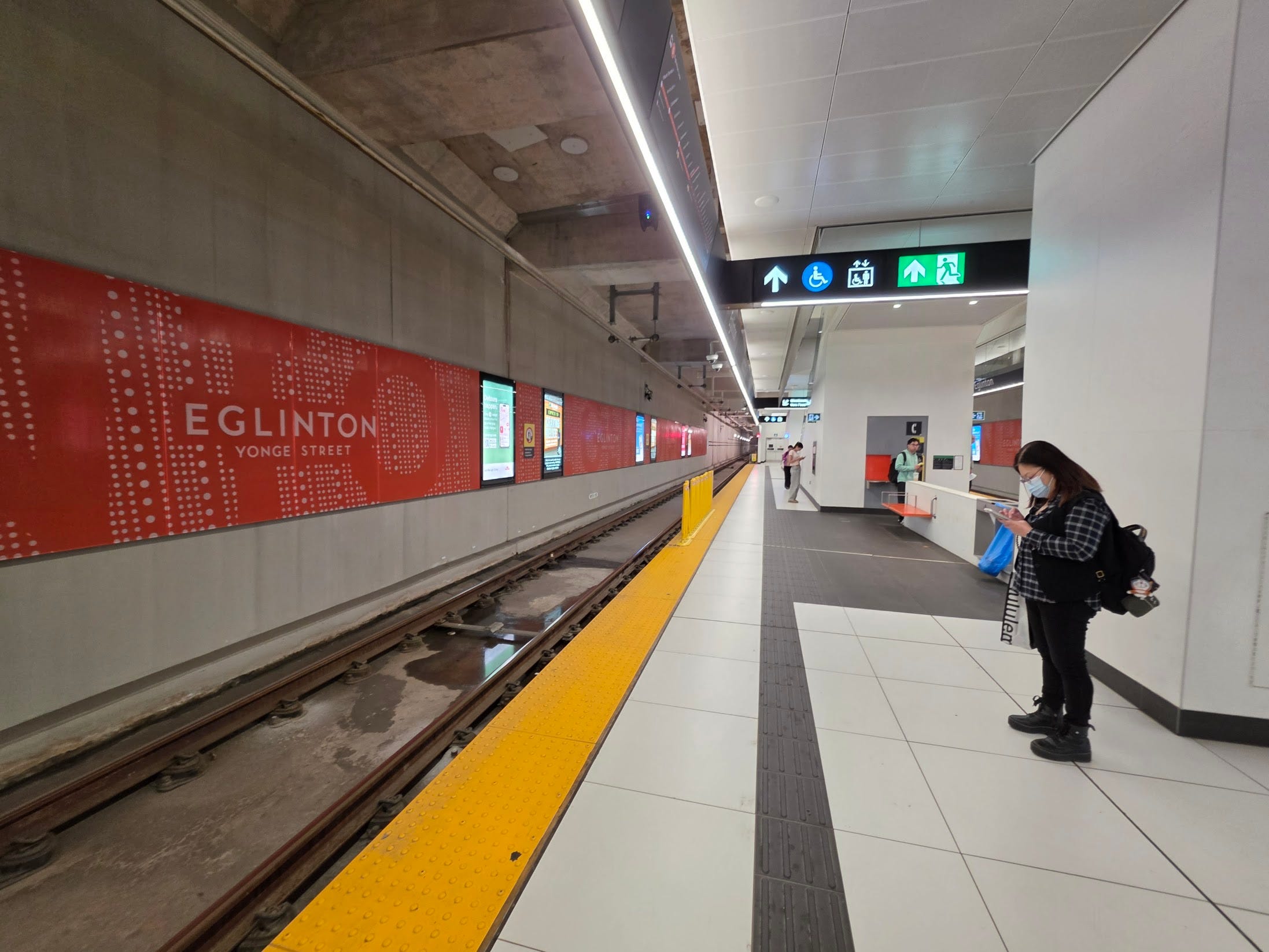
It’s also the case as someone pointed out to me recently that at Eglinton-Yonge, and probably in other places, transfers to the subway are not clearly marked, and for some reason we insist on using a symbol for subway that is not the universal one, but one based on a type of train that doesn’t even run on our busiest subway line!
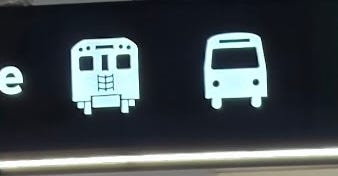
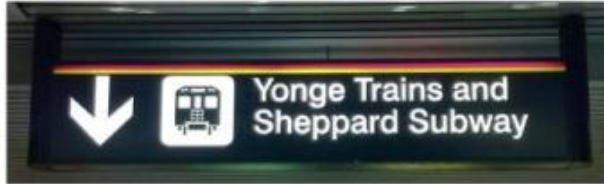

There are also the more active bits of wayfinding. Announcements are often inaudible and generally overzealous, and it seems still not every station has an indicator that trains stop at the end rather than the middle of the platform (something else the signalling system appears to bless us with).
Don’t miss a single post. Become a subscriber today for the latest on transport in Toronto, Canada, and beyond.
I guess I’m just frustrated because the TTC drops the ball endlessly with wayfinding, and Metrolinx had a chance here to show that it could knock it out of the park and I’m not sure they did. Time will tell whether they hear feedback and make fixes, which is all anyone can ever hope for, and which has not exactly been in the repertoire in Toronto historically.
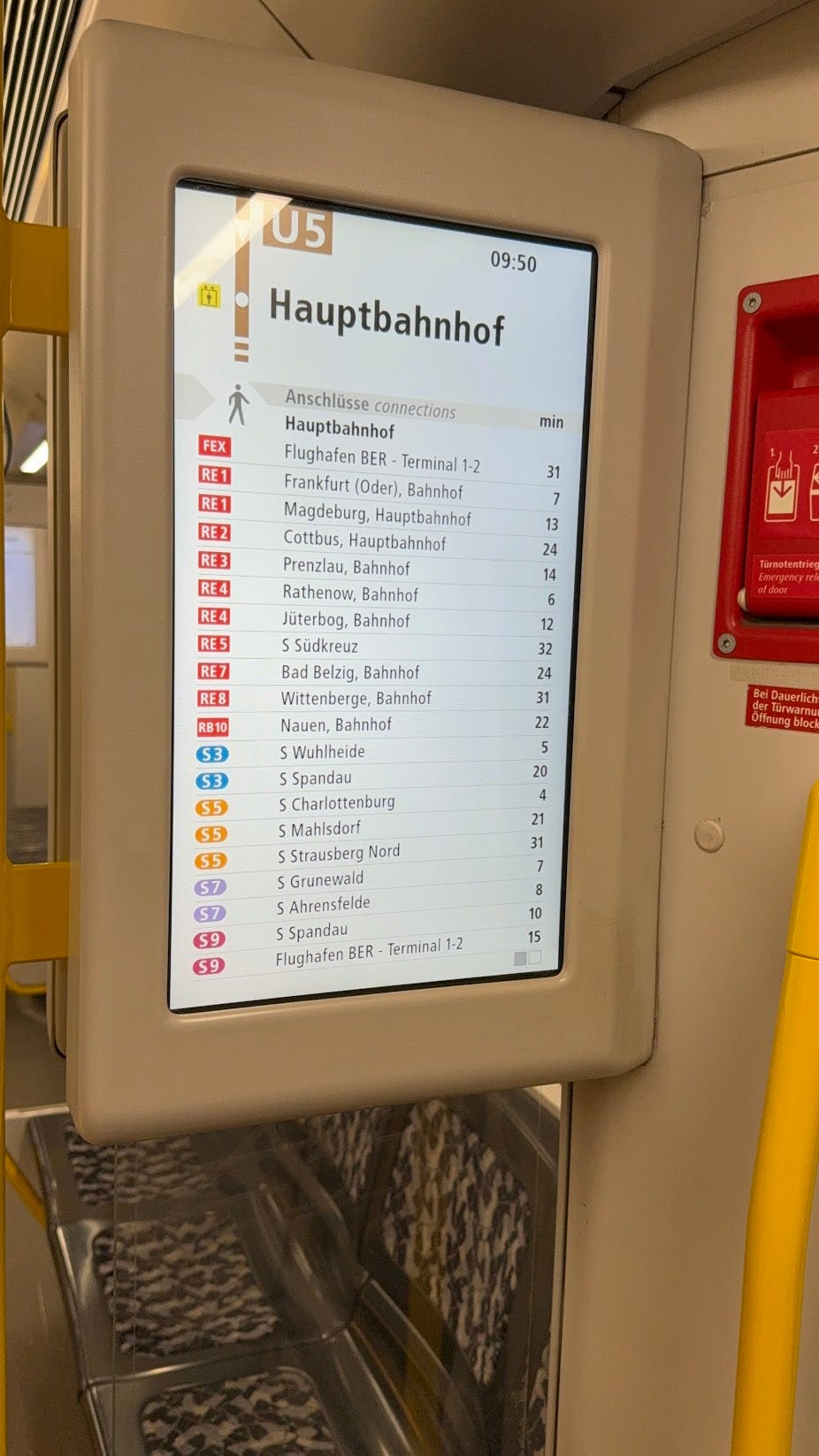
We can and should also go further. Metrolinx should incorporate GO departure times onto future train designs like they do in Berlin.
And the TTC ought to fix its maps, which dishonestly present Lines 5 and 6 as if they are both entirely subway, when in reality only one of them is partially a subway. The fix is probably a thinner or otherwise different looking line where these operate as trams, especially because we can’t even pretend that these lines are particularly fast trams. When making a change, it would also be worth considering prepending the line numbers with ‘T’, so line 6 would become T6 and the eastern half of line 5 would be T5 — with maps making it clear that T5 continues as line 5 west of Sunnybrook Park.
Trains
The trains themselves also need work and I wish we’d use the need to order more trains for the western section of line 5 to make those changes. I don’t think we will so this will need to wait ... quite a while until demand grows enough to order even more vehicles (hopefully that happens quickly, but I’m being conservative here).
When that does happen, we should order nice trains, not what we have now which feels like the cover of the train catalogue from 20 years ago. New trains should be colourful, not the horribly drab grey (the line has this nice bright red-orange colour all over that could have looked awesome on the trains, and then they just made them grey — with a surprising but nice splash of blue inside for the seats). They should be designed with modern information screens, and more of them. They should have things like onboard chargers and possibly dedicated luggage space to cater to a possible airport extension.
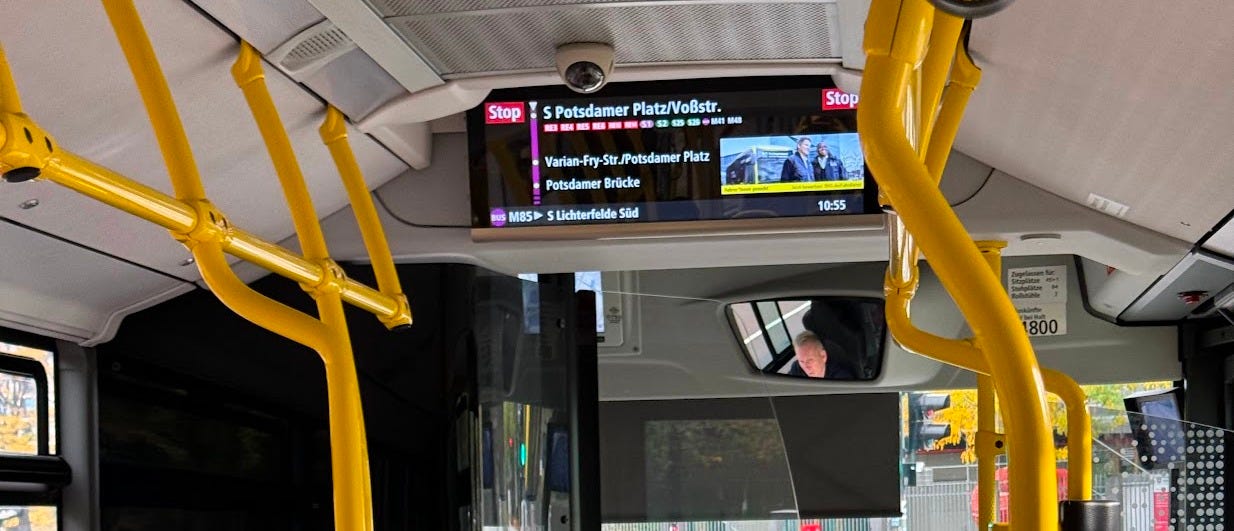
They also need a completely different design for passenger circulation. Ideally we would get two trains which can be connected into a fully walkthrough train, similar to what Seattle is looking at (we might want to consider Siemens ourselves). These trains could then have a centre car added to them later to use the full platform length. This should maintain existing compatibility with maintenance facilities while significantly improving capacity, by both increasing passenger space and by allowing passengers to balance out across the whole train.
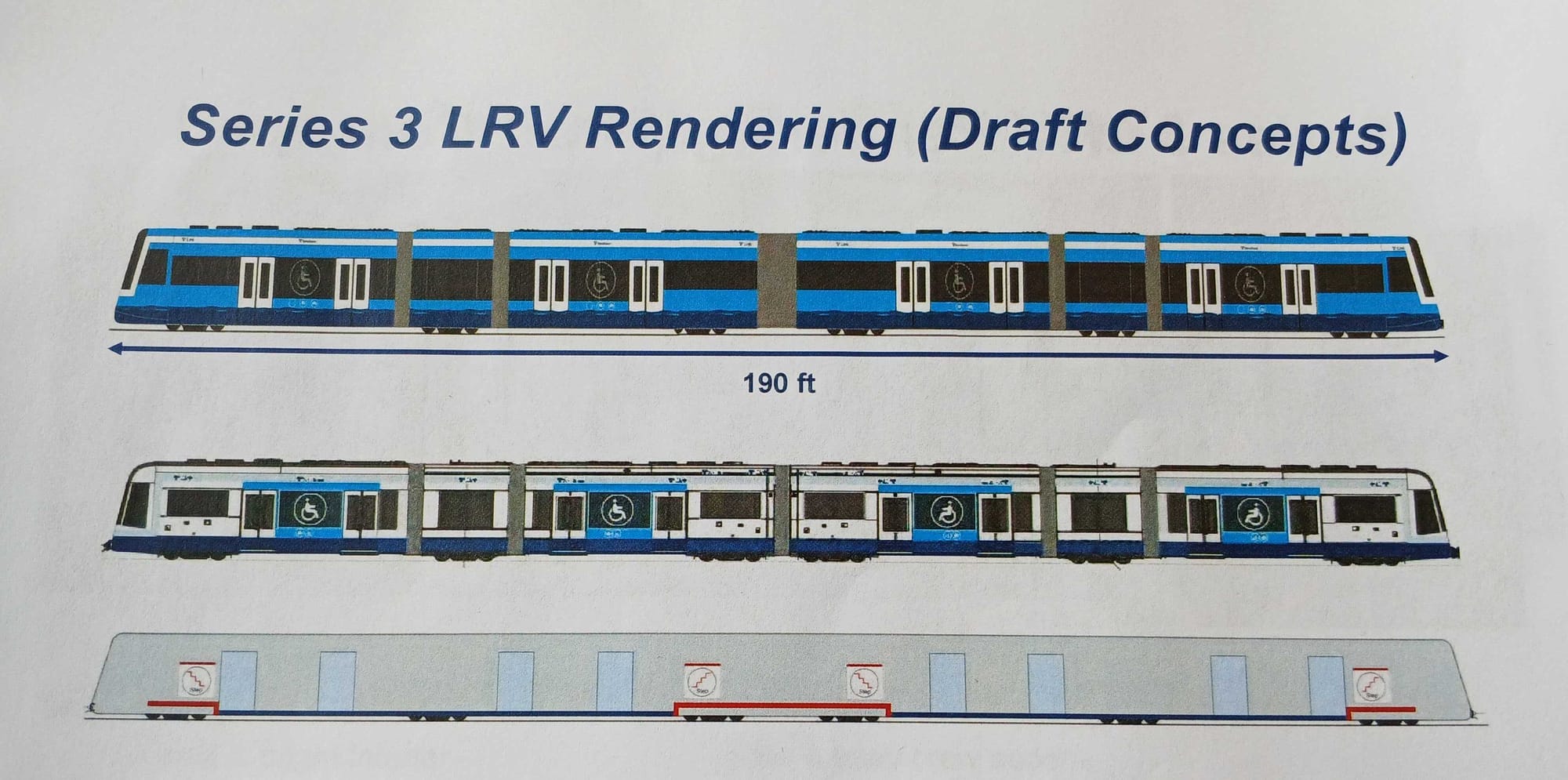
This would actually probably be preferable to ordering longer 7-segment trains like Edmonton has for its Valley Line, because while those seem more logical, they may not jive well with the existing yard configuration.
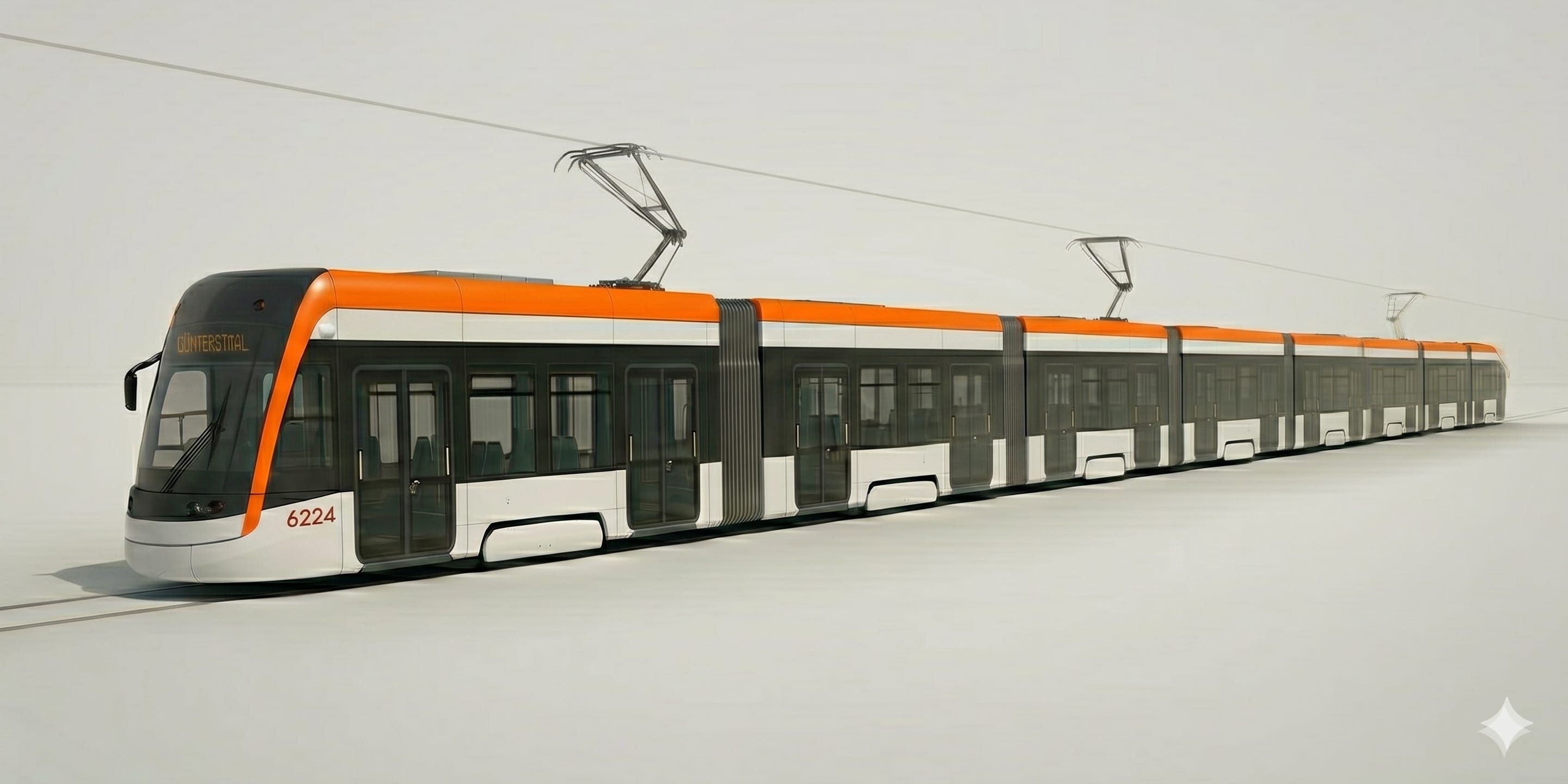
At the same time, whatever new trains we get need more doors. I for years in the lead up to Line 5 opening talked about how the ~3 narrow double doors for 30 meter cars would create issues for loading and unloading, especially at busy stations (the subway has 4 wide doors on each ~23 meter car). This has proven to be the case and will likely cause real issues as the line gets even busier and we want to run more trains. Dwell times are already painfully long; the solution here is to make sure that the new trains we order also have extra doors, and that the front and rear doors are expanded to full double doors. Some of the new Siemens trams for Munich highlight how many more doors we could have.
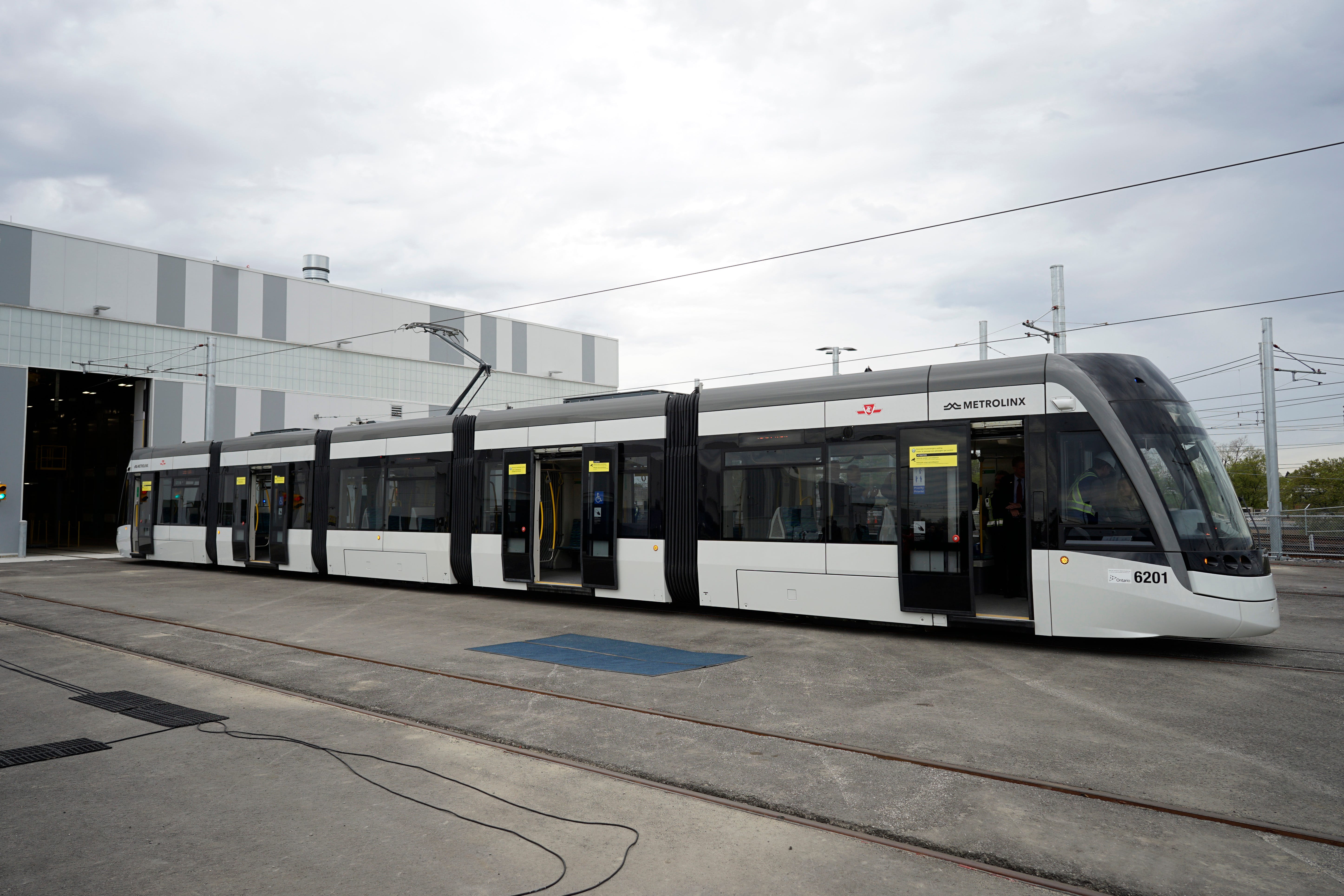
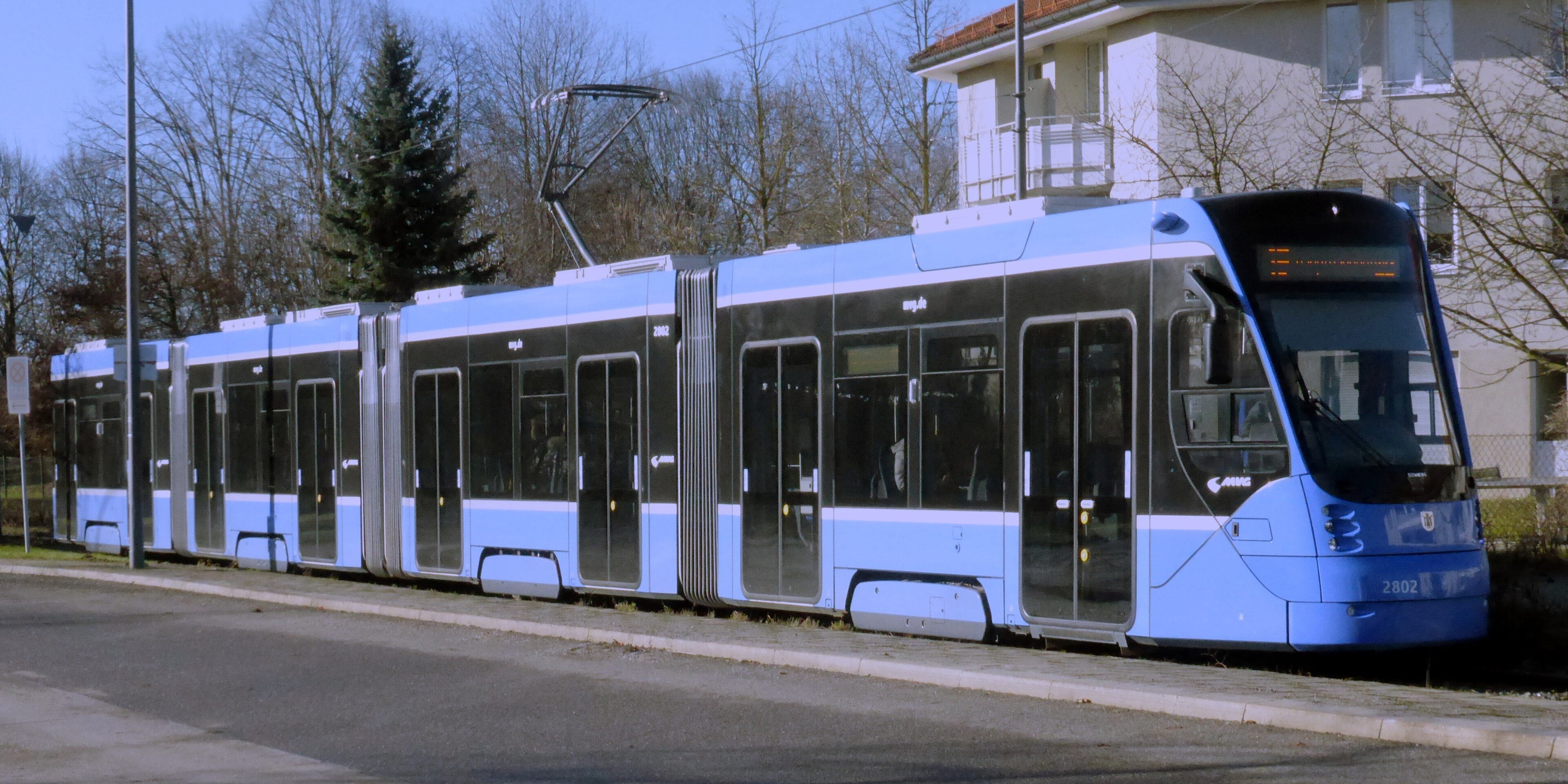
While Crosstown cars have 3 double doors (2 doubles plus 2 singles), a Munich tram that is only slightly longer has more that double that — at 8.
Here’s a conceptual image from Nano Banana.
Platform Barriers
With new trains, you could then lock in a new door arrangement on the platforms and install screen doors at all subway stations. I’m sure someone would argue “we never designed the space for the vast equipment rooms that we need for those into the stations!” Fortunately, they mostly all have so much extra concourse space that finding some room should not be a problem. Installation would also be made simpler by the low, solid concrete platform in the stations (unlike the cantilevered design on the older subway lines), and would be extra enticing because it would allow for the elimination of the faulty and downright silly GIDS (Guideway Intrusion Detection System) that complains when people are too close to the track, but is slow and unreliable and requires tons of LIDAR sensors.
Here’s another conceptual image from Nano Banana.
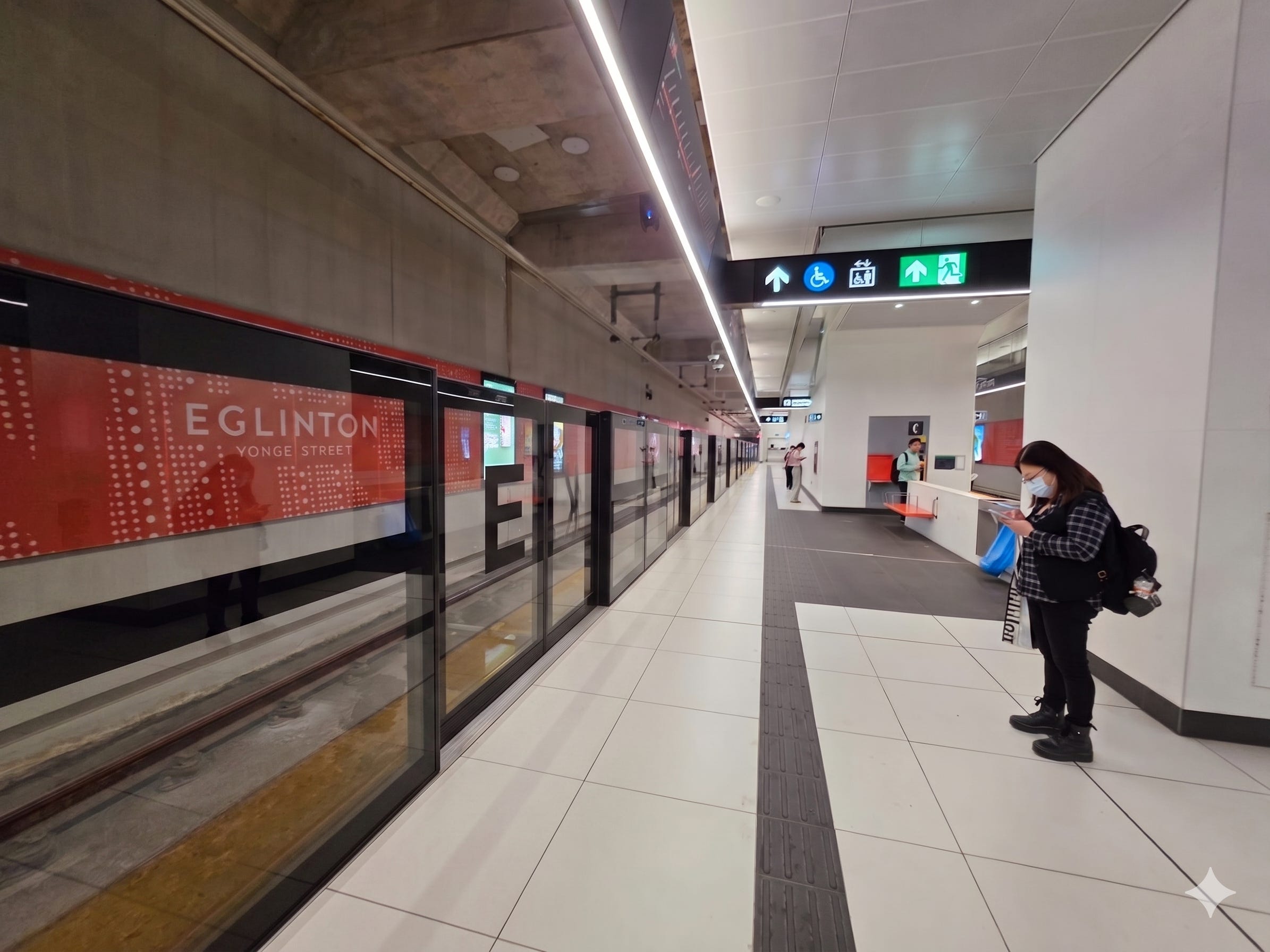
This would also make automated driving (which is already used in the yard) an option for more than half of the line. Perhaps trains turning back to provide additional service in the “subway” section could be unstaffed.
Leslie
The last big change (which I have been frustratingly going on about for a decade) is the grade crossing at Leslie street. Even when working at an engineering firm, I struggled to get people to understand the gravity of this design decision.
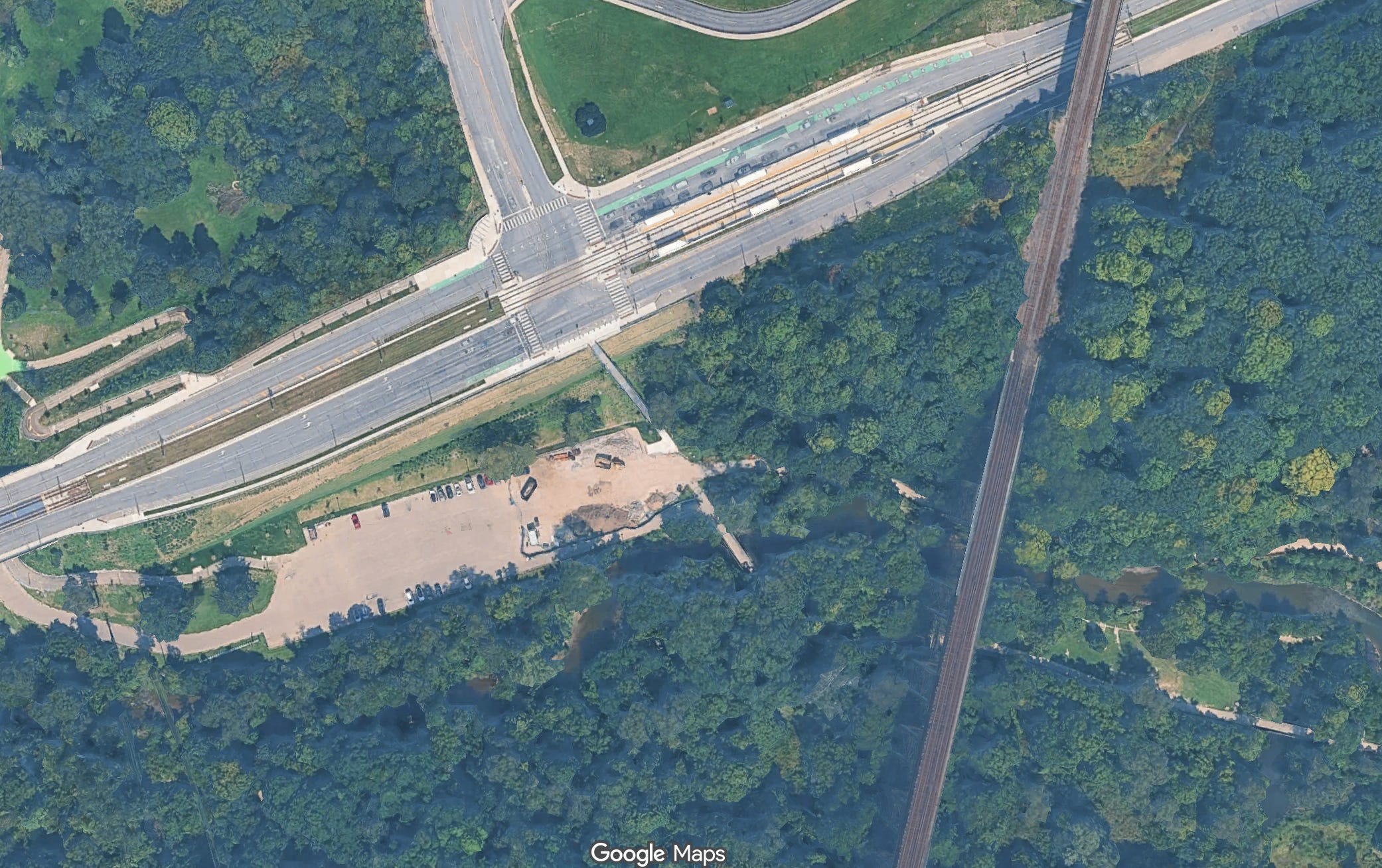
At Leslie Street, the Line 5 features a grade crossing and a stop (Sunnybrook Park) where the street terminates in a ‘T’ intersection. In order to allow eastbound traffic on Eglinton to turn north on Leslie, and southbound traffic on Leslie to turn east on Eglinton.
The issue is, this single grade crossing is the only thing stopping the line from being fully grade-separated and independent of cars and pedestrian traffic from Laird 1.2 km to the west to Don Mills and Aga Khan a similar distance to the east. That lack of grade separation means you can’t have the CBTC system and automated driving, and thus the full frequencies you’d see from Laird west. This is a problem because Don Valley station at Don Mills is a major hub (it’s even underground!), with a huge bus terminal, the future Ontario line and its northern terminus, and tons of development (not to mention the Aga Khan).
The solution here is simple. Remove this intersection and put up a concrete barrier with a fence on top separating Line 5 from the street (and potential pedestrian incursions) from the portal east of Laird to west of Don Mills. That, a station redesign and a signalling upgrade takes the “subway” portion of Line 5 all the way to the Ontario line, several more kilometers, for a nominal fee.
Heres a concept image of what Sunnybrook Park could look like to implement this change.
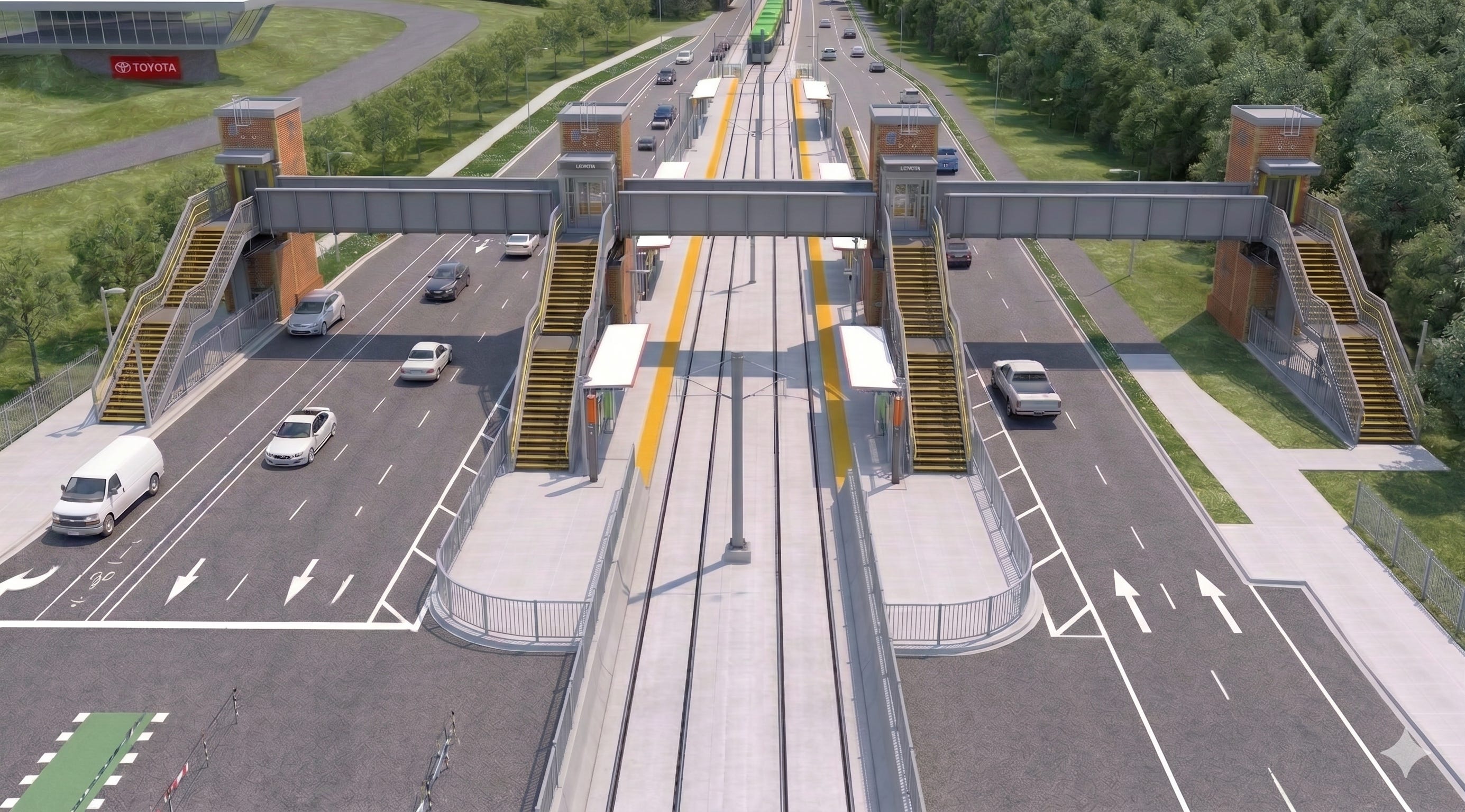
For cars, the sensible thing to do is to just no longer allow the previously-allowed movements, and potentially allow new u-turns at the portals for the few that really had to go this way. You could also create a new road connection from Leslie to Don Mills through the industrial area north of the train tracks, but that is probably overkill.
Taken together, Line 5 would feel like a proper part of the subway club in Toronto, and would also end up feeling like the Ontario line’s younger sibling, with slightly shorter platforms and narrower trains, but the same high frequency automated service and screen doors. Perhaps the future trains could even take design cues from it.
Incredible timing. I’m on a transit fan trip to eastern Canada right now, and I got the notification for this as I was about to board Line 5 for the first time
Always good, fun dive into transit. Loved this piece. Just hoped off Line 5 - at the York Woods Public Library watching FIFA. I live in BC but I am here working for the the summer. I cross TO on this thing most days and for the price, I am very satisfied. It's not the Skytrain, but as a commuter I can't complain. I too noticed the odd arrangement at Leslie. I like the trains. Nicer than Skytrain Mach5. And they have staff - so safer than the Skytrain.