

Aspirationally São Paulo.
What should North America strive for?

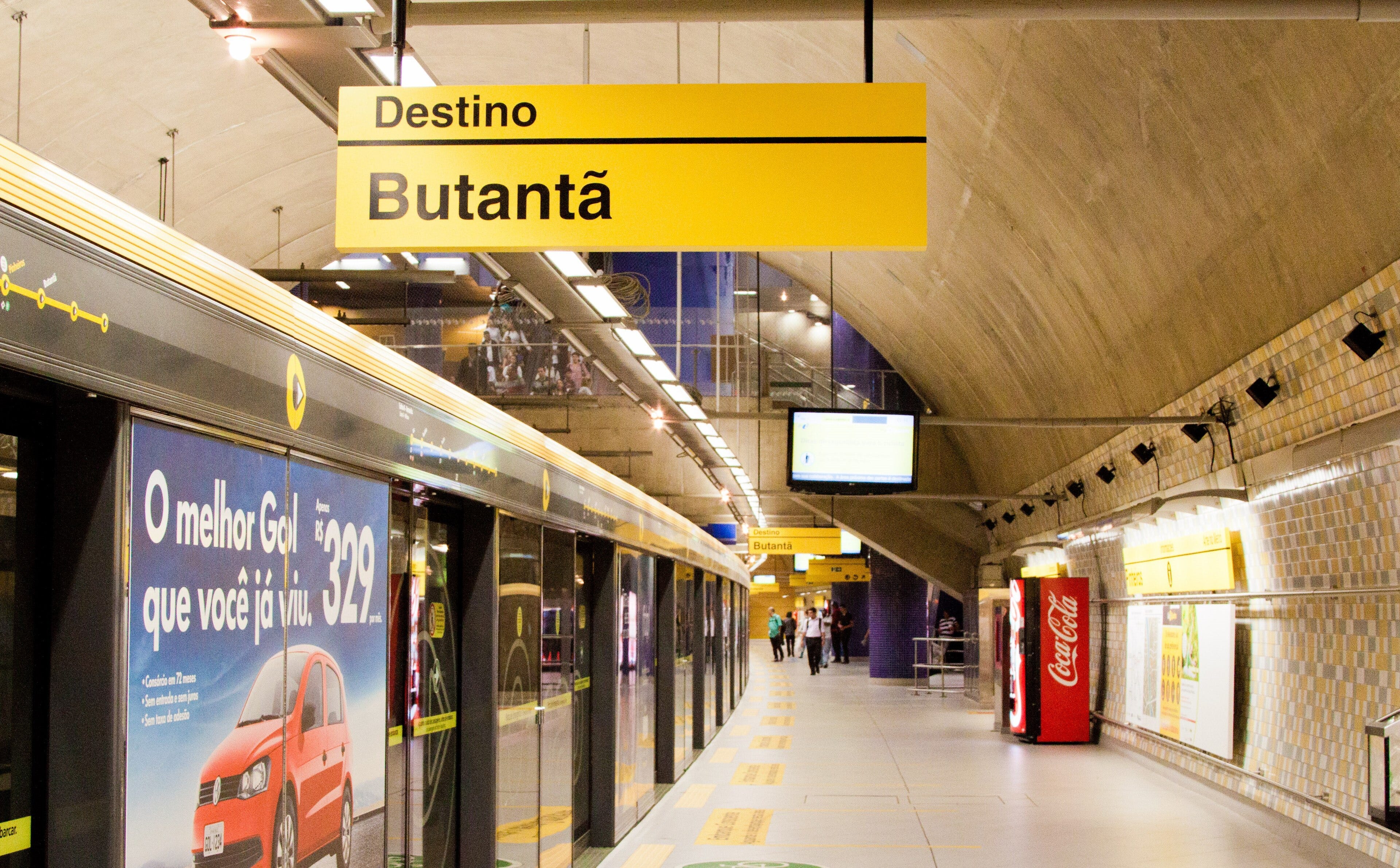
Recently, I’ve felt pretty down about public transit in Toronto, and I think this feeling is probably pretty comparable to what someone living in Washington DC, or LA, or Seattle probably feels: A decent amount of transit initiatives are being undertaken in all of these cities, and yet …
Washington is getting an overhaul to Union Station, and the new Purple Line … but is now shamefully notable for shutting down a modern American streetcar line.
Seattle is opening up more and more light rail infrastructure connecting its region, with a recent link across Lake Washington being the world’s first-ever railway (not to mention mass transit) on a floating bridge. However, it feels increasingly clear that it undersized its buildout by choosing light rail, and will be paying the price for that in perpetuity — costs are also particularly crushing.
LA is building a lot of transit, from subways to new (more sensible than most) high-floor light rail, and future automated metro, and yet the effort feels shambolic in the face of the enormous and comprehensive road network — with things like the collapse of the Inglewood People Mover plan meaning the enormous and very cool-looking SoFi stadium will not be accessible by rail for the FIFA world cup or Olympics, if ever, which feels pretty sad.
And then there’s Toronto. We are getting a substantial new city centre subway line, and subway extensions in three directions, as well as two new trams in the suburbs, on top of all kinds of small initiatives. Yet it feels like just as fast as we build conventional rapid transit, we pump the brakes on regional rail improvements, let the streetcars fall into irrelevance, and totally miss out on improvements like bike lanes that would synergistically improve the transit experience.
It all leaves one feeling rather exasperated, like the fight with the car is truly hopeless, and it’s impossible to even imagine what success might look like. Here, I think it can be instructive to look at São Paulo, which I covered in a video on my YouTube channel years ago, see below:
São Paulo to me feels like a city worth aspiring to for those of us in North America.
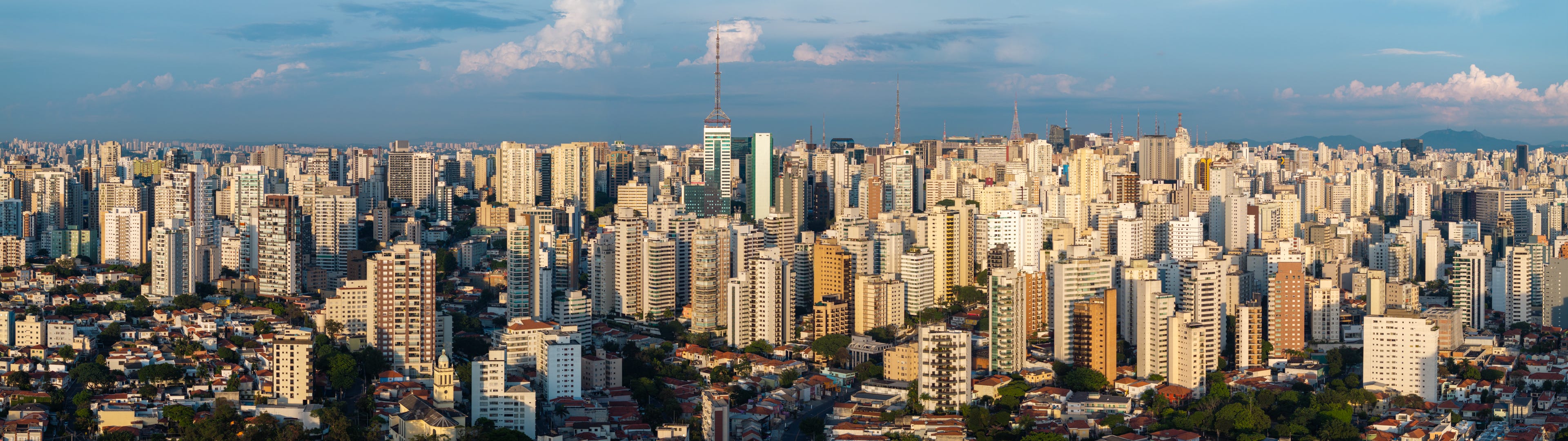
It’s far from perfect, but its comprehensive rail system, and sprawling high rise-filled skyline offers an image of an American city that is notably more rationally organized.
This built form and rail network combination produces a clear result: More riders on mass transit per unit of population than any of the North American cities I mentioned before.
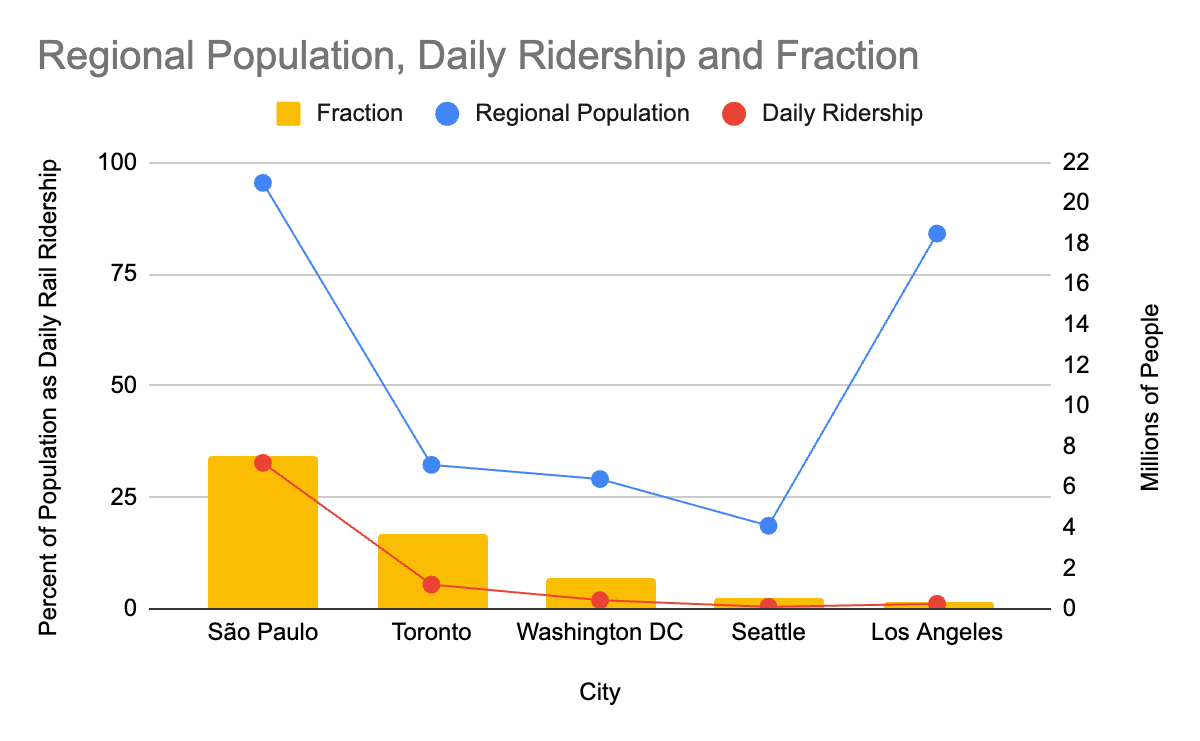
In some ways, this puts things into perspective for Toronto. Its daily mass transit ridership as a fraction of population is closer to that of São Paulo than any of its American comparators, which are also making major transit investments. But still, if Toronto had rail ridership comparable to São Paulo, it would have two-and-a-half times the ridership it does, which is an enormous increase (although LA would need ~24 times more ridership to be comparable).
I will note “rail ridership as a fraction of regional population” is not a standard measure of transit ridership, which would probably look at modeshare, or trips per capita, I like it for directly relating with the population and daily system ridership.
Now, I’ll largely leave the issue of discussing urban form to others, but suffice to say São Paulo is sprawly, but also dense, and like Seattle or Los Angeles is surrounded by mountains, albeit more closely. São Paulo, while lacking the many of the super tall towers you see in other cities (its tallest tops out just a little over 200m), does have enormous quantities of shorter apartment towers, which I think probably leads to it surprising a lot of skyscraper data-obsessives with its density. Looking at the picture above, you could confuse the city with Tokyo!
Lets dive into the mass transit …
Scale of Network
The first thing that I think may surprise you is that São Paulo’s metro network is actually shorter than Washington DC’s Metro, and only slightly longer than Toronto’s. (I won’t compare Seattle and LA, which are both light rail-heavy).
Washington DC has 98 stations with 208 kilometres of track.
São Paulo also has 98 stations, but on only 110 kilometres of track, barely more than half as much.
And then Toronto has 81 stations, on 71.1 kilometres of track.
Annoyingly, I had to clean up the numbers for Toronto’s network because the data for the “rapid transit” network on Wikipedia has been polluted with streetcar lines, which are not rapid. I dropped the entirety of Finch West, and the surface section of Eglinton from these numbers.
You can actually see that Toronto and São Paulo are closer in scale than you might imagine, with Washington having a much larger network than either. Of course, since the regional or suburban trains in Washington or Toronto are basically not mass rapid transit you wouldn’t consider them in the numbers, but adding São Paulo’s suburban network takes its kilometer-age up to nearly 400 km.
Keep reading with a 7-day free trial
Subscribe to The Transit Brief to keep reading this post and get 7 days of free access to the full post archives.